The Evolution of Education in the Digital Age
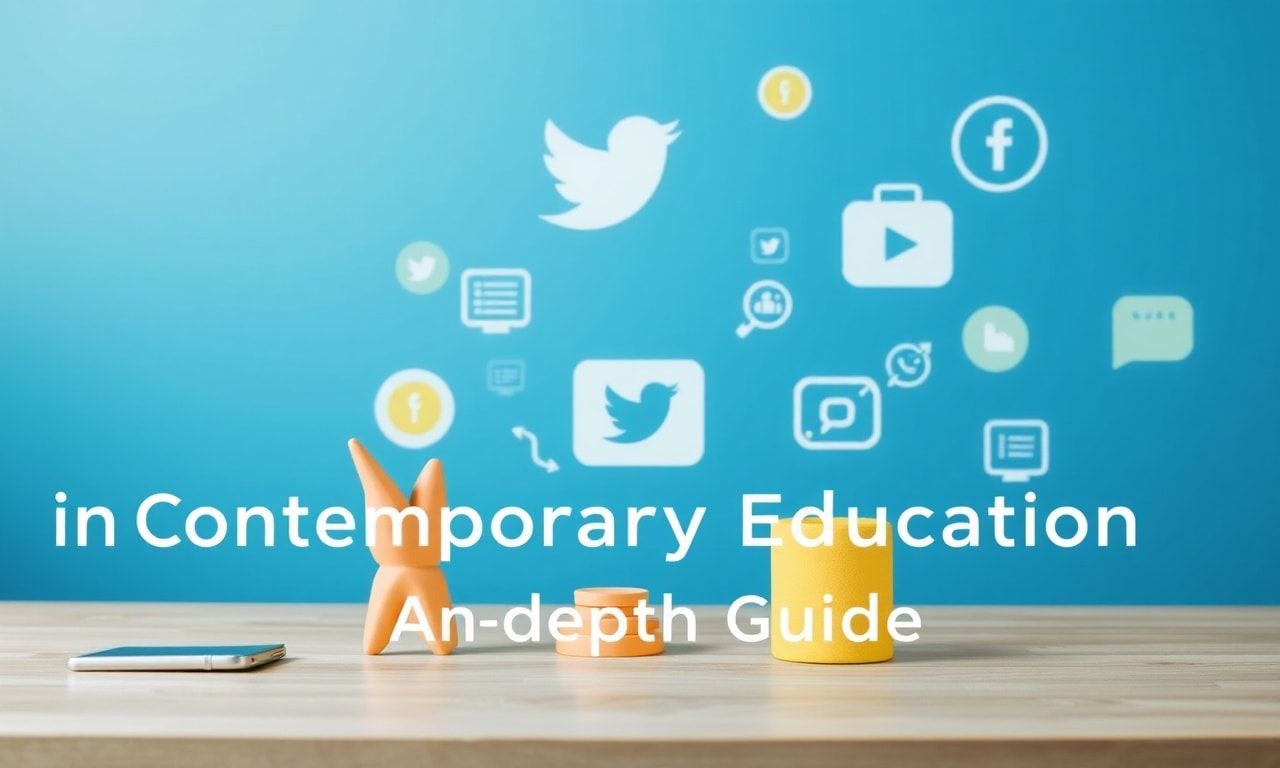
The landscape of education has undergone a significant transformation with the advent of digital technology. Among the various digital tools that have revolutionized learning, social media stands out as a powerful platform that enhances communication, collaboration, and knowledge sharing. The integration of social media into educational practices has opened up new avenues for both educators and learners to engage with content in a more dynamic and interactive manner.
Enhancing Communication and Collaboration
Social media platforms such as Facebook, Twitter, and LinkedIn have become essential tools for educators to connect with their students and colleagues. These platforms facilitate real-time communication, enabling teachers to share updates, announcements, and resources instantly. For students, social media provides a space to collaborate on projects, discuss ideas, and seek help from peers and instructors. The ability to engage in discussions and share knowledge across geographical boundaries fosters a sense of community and collective learning.
Moreover, social media platforms offer various features like groups, forums, and live chats that can be utilized to create dedicated spaces for educational purposes. For instance, a Facebook group can be created for a specific course where students can post questions, share notes, and engage in discussions. Similarly, LinkedIn groups can be used for professional networking and career development, providing students with opportunities to connect with industry experts and potential employers.
The Impact of Social Media on Learning Outcomes
The integration of social media into education has been shown to have a positive impact on learning outcomes. Studies have indicated that students who actively participate in social media discussions tend to have a better understanding of the subject matter and perform better academically. The interactive nature of social media encourages students to think critically, express their opinions, and engage in meaningful dialogues, which are essential skills for academic success.
Additionally, social media platforms provide access to a wealth of educational resources, including articles, videos, and infographics, which can supplement traditional learning materials. Students can follow educational pages and influencers to stay updated on the latest trends and developments in their fields of study. For example, following pages that focus on danimarka sosyal medya reklamcılığı güncel can provide valuable insights into current practices and strategies in digital marketing, a field that is constantly evolving.
Challenges and Considerations
While the benefits of integrating social media into education are numerous, there are also challenges and considerations that need to be addressed. One of the primary concerns is the potential for distraction. Social media platforms are designed to capture attention, and students may find it difficult to stay focused on their studies when they are constantly bombarded with notifications and updates.
To mitigate this issue, educators can establish clear guidelines and expectations for social media use in the classroom. Setting specific times for social media activities and encouraging students to use the platforms for educational purposes only can help maintain focus and productivity. Additionally, teachers can model responsible social media behavior by demonstrating how to use these platforms effectively for learning and professional development.
Privacy and Security Concerns
Another significant concern is the issue of privacy and security. Social media platforms collect vast amounts of personal data, and students may be unaware of the potential risks associated with sharing information online. Educators have a responsibility to educate students about online privacy and security best practices, such as using strong passwords, being cautious about sharing personal information, and understanding the implications of data sharing.
Schools and educational institutions can also implement policies and protocols to ensure the safe and responsible use of social media. This may include providing training and resources for students and teachers on digital citizenship, cybersecurity, and online etiquette. By fostering a culture of digital responsibility, educational institutions can help students develop the skills and knowledge needed to navigate the digital landscape safely and effectively.
Best Practices for Integrating Social Media into Education
To maximize the benefits of social media in education, educators can follow several best practices. First, it is essential to choose the right platforms that align with the educational goals and objectives. Different social media platforms offer unique features and functionalities that can be leveraged for various educational purposes. For example, Twitter can be used for microblogging and sharing quick updates, while LinkedIn can be utilized for professional networking and career development.
Second, educators should create a clear and structured plan for integrating social media into the curriculum. This may involve setting specific learning objectives, designing engaging activities, and providing guidelines for participation. By having a well-defined plan, educators can ensure that social media activities are purposeful and aligned with the overall learning outcomes.
Third, it is crucial to encourage active participation and engagement. Educators can foster a sense of community by creating a welcoming and inclusive environment where students feel comfortable sharing their thoughts and ideas. This can be achieved through regular interaction, providing constructive feedback, and recognizing students’ contributions. By promoting active participation, educators can enhance the learning experience and help students develop essential skills such as communication, collaboration, and critical thinking.
Conclusion
The integration of social media into education has the potential to transform the way we learn and teach. By leveraging the power of social media, educators can enhance communication, collaboration, and knowledge sharing, ultimately improving learning outcomes. However, it is essential to address the challenges and considerations associated with social media use, such as distraction, privacy, and security. By following best practices and fostering a culture of digital responsibility, educators can create a dynamic and engaging learning environment that prepares students for success in the digital age.
You may also find الاستفادة القصوى من وسائل التواصل الاجتماعي: helpful as it covers related aspects of this subject.