The Importance of Physical Education in Schools
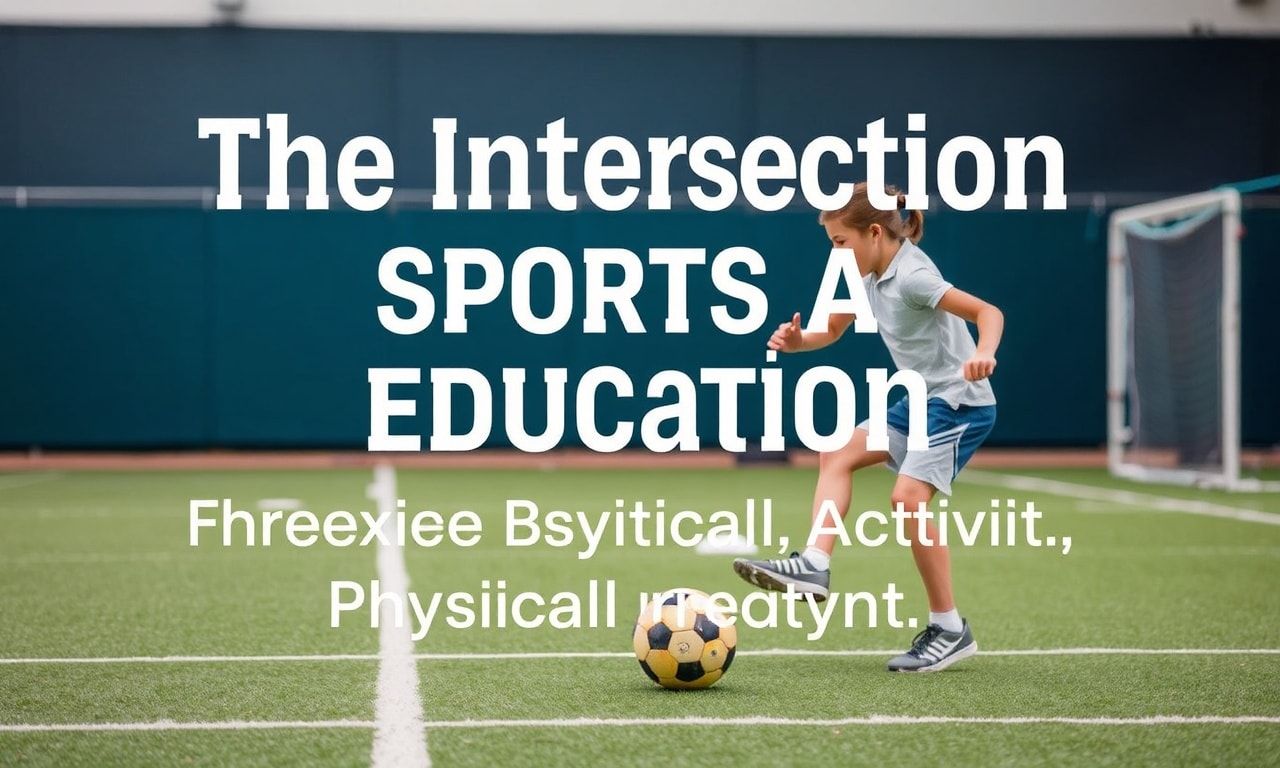
Physical education is a crucial component of the school curriculum, often overlooked in favor of academic subjects. However, integrating sports and physical activities into the educational framework can significantly enhance students’ overall development. Regular physical activity improves cognitive function, boosts mental health, and fosters social skills. Schools that prioritize physical education often see improved academic performance and reduced behavioral issues among students. By encouraging participation in sports, educators can create a balanced learning environment that caters to both the mind and body.
Enhancing Cognitive Function Through Sports
Engaging in physical activities has been shown to enhance cognitive functions such as memory, concentration, and problem-solving skills. Sports require strategic thinking, quick decision-making, and coordination, all of which translate into improved academic performance. For instance, team sports like basketball and soccer teach players to think critically and work collaboratively, skills that are invaluable in a classroom setting. Additionally, regular exercise increases blood flow to the brain, promoting the growth of new brain cells and enhancing overall brain function. By incorporating sports into the educational curriculum, schools can help students develop essential cognitive skills that will benefit them throughout their lives.
Boosting Mental Health and Emotional Well-being
Participation in sports and physical activities has a profound impact on mental health and emotional well-being. Exercise releases endorphins, which are natural mood enhancers that reduce stress and anxiety. For students, who often face high levels of academic pressure, engaging in sports can provide a much-needed outlet for stress relief. Moreover, sports teach resilience, perseverance, and the ability to handle setbacks, all of which are crucial life skills. Schools that promote physical education create a supportive environment where students can learn to manage their emotions effectively. By fostering a positive attitude towards physical activity, educators can help students develop coping mechanisms that will serve them well in both academic and personal endeavors.
Fostering Social Skills and Teamwork
Sports are an excellent way to foster social skills and teamwork among students. Team sports, in particular, require effective communication, cooperation, and leadership, all of which are essential skills in any educational setting. By participating in sports, students learn to work together towards a common goal, understand the importance of fair play, and develop empathy and respect for their peers. These social skills are transferable to the classroom, where collaboration and teamwork are often necessary for successful group projects. Additionally, sports provide an opportunity for students to build friendships and social connections, creating a sense of belonging and community within the school. By integrating sports into the educational framework, schools can help students develop the social skills they need to thrive in both academic and social environments.
Balancing Academics and Physical Activity
While academic achievement is a primary focus of education, it is essential to strike a balance between academic pursuits and physical activity. Many students spend long hours studying and completing assignments, often at the expense of their physical health. Encouraging students to participate in sports and physical activities can help them maintain a healthy lifestyle while also improving their academic performance. Schools can achieve this balance by offering a variety of sports programs and physical education classes that cater to different interests and skill levels. Additionally, incorporating physical activity into the daily routine, such as short breaks for stretching or walking, can help students stay focused and energized throughout the day. By promoting a balanced approach to education, schools can ensure that students receive a well-rounded education that prepares them for success in all aspects of life.
For those interested in staying updated on the latest sports results and news, visiting sports results today can provide valuable insights and information. Whether it’s tracking the performance of favorite teams or staying informed about upcoming events, keeping up with sports news can enhance the overall sports experience and foster a deeper appreciation for the role of physical activity in education.
Conclusion
The integration of sports and physical activities into the educational framework offers numerous benefits for students. From enhancing cognitive function and boosting mental health to fostering social skills and promoting a balanced lifestyle, sports play a vital role in the overall development of students. By prioritizing physical education and encouraging participation in sports, schools can create a supportive and enriching learning environment that caters to the needs of the whole student. As educators, it is essential to recognize the value of physical activity and incorporate it into the educational curriculum to prepare students for success in both academic and personal endeavors.
To gain a deeper understanding of the digital education landscape, consider exploring online learning’s transformative journey and its impact on modern education.
To stay ahead in today’s competitive landscape, consider exploring innovations in education and skills that can help you acquire future-ready competencies.
To enhance your understanding of how environment affects productivity, consider exploring improving life quality through design and its impact on daily life.