The Importance of Physical Education in Schools
Physical education is a crucial component of the overall school curriculum. It not only promotes physical fitness but also contributes to the mental and emotional well-being of students. Regular physical activity has been shown to improve concentration, reduce stress, and enhance academic performance. In many educational institutions, physical education is mandatory, reflecting its importance in the holistic development of students.
Integrating Sports into the Academic Curriculum
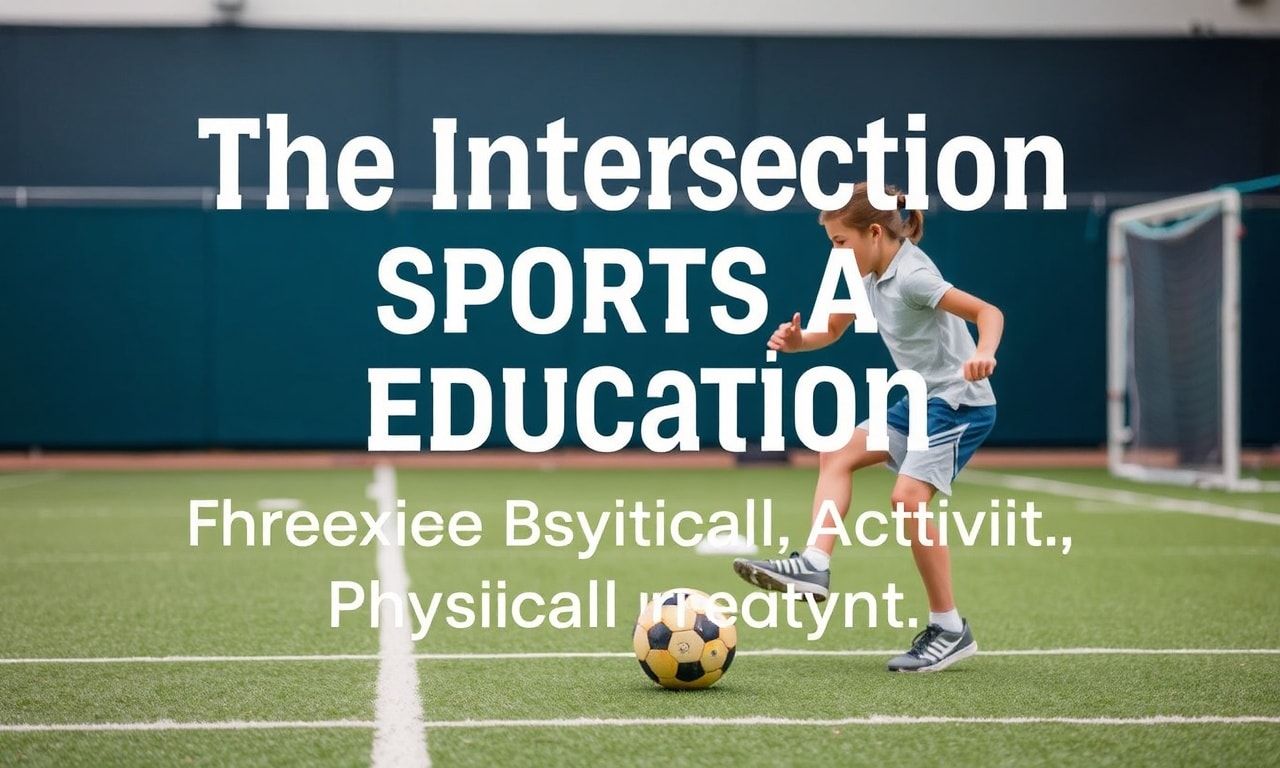
Integrating sports into the academic curriculum can have a profound impact on student engagement and learning outcomes. Schools that offer a variety of sports programs often see higher student participation and improved academic performance. Sports can teach valuable life skills such as teamwork, discipline, and time management, which are essential for success in both academic and professional settings. Additionally, sports can serve as a platform for students to develop leadership skills and build strong interpersonal relationships.
Benefits of Sports in Education
The benefits of incorporating sports into the educational framework are manifold. Firstly, sports can help students develop a sense of belonging and community within the school environment. This can lead to increased school spirit and a more positive learning atmosphere. Secondly, sports can provide a healthy outlet for students to manage stress and anxiety, which are common issues among students today. Lastly, sports can enhance cognitive functions such as memory, attention, and problem-solving skills, which are crucial for academic success.
For instance, students who participate in sports often exhibit better time management skills, as they learn to balance their academic responsibilities with their athletic commitments. This can lead to improved academic performance and a more well-rounded educational experience. Moreover, sports can foster a sense of discipline and perseverance, which are essential qualities for achieving long-term academic and personal goals.
The Role of Community Sports in Education
Community sports programs can also play a significant role in enhancing the educational experience. These programs provide students with opportunities to engage in physical activities outside of the school setting, fostering a sense of community and social responsibility. Community sports can also serve as a platform for students to develop new skills and interests, which can contribute to their overall personal growth and development.
For example, students who participate in community sports programs often develop strong leadership skills, as they learn to work collaboratively with their peers and take on leadership roles within their teams. Additionally, community sports can provide students with valuable networking opportunities, allowing them to connect with other students, coaches, and community members who share their interests and passions.
If you’re interested in staying updated on the latest sports news and events in your community, be sure to check out Bağcılar’da güncel spor haberleri. This resource provides comprehensive coverage of local sports events and can be a valuable tool for students and educators looking to stay informed and engaged in the world of sports.
Developing a Balanced Approach to Education
A balanced approach to education that integrates both academic and physical activities is essential for the overall development of students. Schools and educational institutions should strive to create a supportive and inclusive environment that encourages students to participate in both academic and extracurricular activities. This can help students develop a well-rounded skill set and prepare them for success in all aspects of their lives.
Strategies for Integrating Sports into the Curriculum
There are several strategies that schools can implement to effectively integrate sports into the curriculum. One approach is to offer a variety of sports programs that cater to the diverse interests and abilities of students. This can help ensure that all students have the opportunity to participate in physical activities that they enjoy and excel in. Additionally, schools can incorporate sports into the academic curriculum by offering courses that focus on the history, culture, and science of sports. This can provide students with a comprehensive understanding of the role that sports play in society and the world.
Another strategy is to create partnerships with local sports organizations and community groups to provide students with access to high-quality sports facilities and programs. This can help enhance the overall sports experience for students and provide them with valuable opportunities to develop their skills and talents. Additionally, schools can organize sports events and tournaments that bring together students, teachers, and community members, fostering a sense of unity and camaraderie.
Conclusion
In conclusion, the integration of sports into the educational framework can have a profound impact on the overall development of students. By promoting physical fitness, teaching valuable life skills, and fostering a sense of community, sports can enhance the educational experience and prepare students for success in all aspects of their lives. Schools and educational institutions should strive to create a supportive and inclusive environment that encourages students to participate in both academic and extracurricular activities, fostering a balanced and well-rounded approach to education.
To enhance your learning journey, consider the impact of nutrition and health care in education by exploring the role of diet and wellness in academic success.
To enhance your financial literacy and strategic planning skills, consider exploring key financial strategies and insights in our latest article.
To enhance your learning experience and discover new skills, consider exploring fun educational resources that make acquiring knowledge enjoyable.