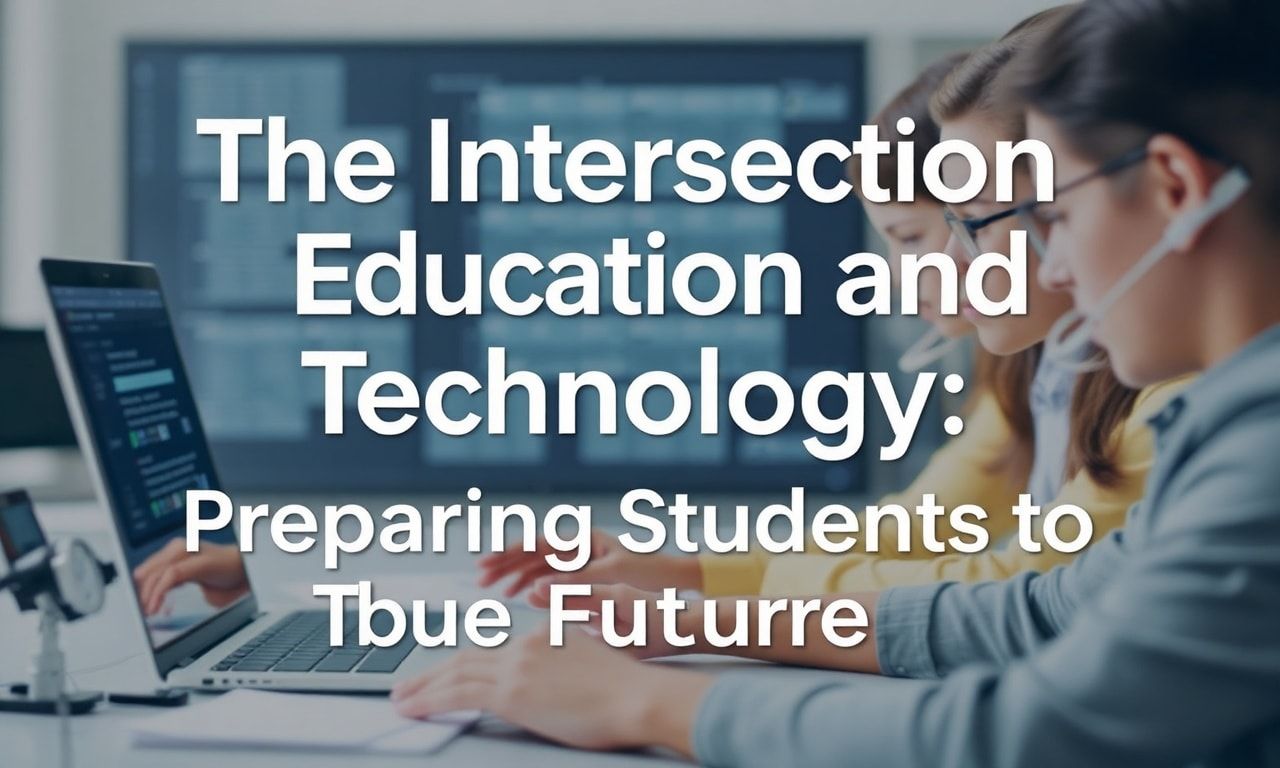
The Evolution of Educational Technology
The landscape of education has undergone a profound transformation with the advent of technology. From traditional chalkboards to interactive whiteboards, and from textbooks to digital learning platforms, the tools we use to educate have evolved significantly. This shift is not merely about replacing old methods with new ones; it’s about enhancing the learning experience, making it more engaging, accessible, and personalized. Educational technology, often referred to as EdTech, has become a cornerstone in modern education, bridging the gap between traditional teaching methods and the digital age.
The Role of EdTech in Modern Classrooms
EdTech encompasses a wide range of tools and platforms designed to facilitate learning. These include learning management systems (LMS), virtual classrooms, educational apps, and interactive content. The integration of these technologies into the classroom setting has revolutionized the way students learn and teachers instruct. For instance, virtual classrooms allow for real-time interaction between students and teachers, regardless of their physical location. This is particularly beneficial for students in remote areas or those with mobility issues, ensuring that education is accessible to all.
Moreover, EdTech platforms often incorporate gamification elements, turning learning into an engaging and interactive experience. Students can earn points, badges, and other rewards for completing tasks, which not only motivates them but also makes the learning process more enjoyable. This approach has been shown to improve student engagement and retention rates, making it a valuable tool in the educational arsenal.
The Impact of EdTech on Teaching Methods
The integration of technology into education has also transformed teaching methods. Teachers are no longer limited to traditional lecture-based instruction. Instead, they can use a variety of digital tools to create interactive lessons that cater to different learning styles. For example, multimedia presentations, interactive simulations, and virtual reality experiences can make complex concepts more understandable and engaging. Additionally, data analytics tools can help teachers track student progress and identify areas where additional support is needed, allowing for more personalized and effective instruction.
Furthermore, EdTech has facilitated collaborative learning. Platforms that support group projects and peer-to-peer interaction can enhance students’ communication and teamwork skills, which are crucial in today’s interconnected world. These platforms also provide opportunities for students to learn from each other, fostering a sense of community and shared learning.
The Importance of Digital Literacy
As technology continues to play a pivotal role in education, the importance of digital literacy cannot be overstated. Digital literacy refers to the ability to use digital tools effectively and responsibly. It encompasses a range of skills, including the ability to navigate digital platforms, evaluate online information, and communicate effectively through digital media. In an era where information is readily available at our fingertips, the ability to discern credible sources from misleading ones is crucial. This skill is not only essential for academic success but also for navigating the complexities of the modern world.
Educational institutions have a responsibility to equip students with the digital literacy skills they need to thrive in the 21st century. This can be achieved through dedicated courses on digital literacy, as well as the integration of digital tools into various subjects. For example, students can learn to use data analysis tools in mathematics classes or explore digital storytelling techniques in language arts. By embedding digital literacy into the curriculum, schools can ensure that students are well-prepared for the digital challenges they will face in higher education and the workforce.
The Role of Professional Development in EdTech Integration
To effectively integrate EdTech into the classroom, teachers must be provided with adequate training and professional development opportunities. Many educators may feel overwhelmed by the rapid pace of technological change and the plethora of new tools available. Professional development programs can help teachers build their confidence and competence in using these tools, enabling them to create innovative and engaging learning experiences for their students.
Professional development should not be a one-time event but an ongoing process. Teachers should have access to continuous learning opportunities, such as workshops, webinars, and online courses, to stay updated on the latest EdTech trends and best practices. Additionally, schools should foster a culture of collaboration where teachers can share their experiences and learn from each other. This collaborative approach can lead to the development of innovative teaching strategies and the effective use of EdTech tools.
The Future of EdTech
The future of EdTech is bright and full of possibilities. Emerging technologies such as artificial intelligence (AI), machine learning, and virtual reality (VR) are poised to revolutionize the way we learn and teach. AI, for instance, can personalize learning experiences by adapting to students’ individual needs and pacing. Machine learning algorithms can analyze student data to provide personalized recommendations and support. VR, on the other hand, can create immersive learning environments that allow students to explore historical events, conduct virtual science experiments, and even practice real-world skills in a safe and controlled setting.
Moreover, the integration of EdTech with other fields, such as healthcare and entertainment, can lead to innovative educational models. For example, the use of gamification in education can make learning more engaging and fun. Similarly, the integration of health and wellness apps into the curriculum can promote physical and mental well-being among students. The possibilities are endless, and the potential for EdTech to transform education is immense.
In conclusion, the intersection of education and technology presents exciting opportunities for enhancing the learning experience. By embracing EdTech, educational institutions can prepare students for the challenges and opportunities of the 21st century. However, this requires a concerted effort from all stakeholders, including teachers, students, parents, and policymakers. Together, we can create a future where education is accessible, engaging, and effective for all.
For more insights into the latest trends and innovations in education and technology, consider exploring resources such as the 北京电影节行业论坛, which often features discussions on the intersection of media, technology, and education.
To enhance your understanding of effective learning strategies, consider exploring blending technology with traditional methods in education.