The Evolution of Education in the Digital Age
The landscape of education is undergoing a profound transformation, driven by rapid advancements in technology. As we move further into the 21st century, the integration of digital tools and innovative teaching methods is becoming increasingly essential. This shift is not just about adopting new technologies but also about reimagining the way we approach learning and skill development. Educational institutions are now tasked with preparing students for a future where digital literacy and technological proficiency are paramount.
The Role of Technology in Modern Education
Technology has become an integral part of modern education, offering numerous benefits that enhance the learning experience. From interactive whiteboards and virtual reality simulations to online learning platforms and educational apps, technology provides students with access to a wealth of resources and opportunities. These tools not only make learning more engaging and interactive but also cater to diverse learning styles, ensuring that every student can thrive. Additionally, technology enables educators to track student progress more effectively, allowing for personalized instruction and targeted support.
One of the most significant advantages of technology in education is its ability to bridge geographical barriers. With the rise of online learning platforms, students from all over the world can access high-quality education, regardless of their location. This democratization of education is crucial in promoting equity and providing opportunities for students who may not have access to traditional educational institutions. Moreover, technology facilitates collaboration and communication among students and educators, fostering a global learning community.
Innovative Teaching Methods
The integration of technology has also led to the development of innovative teaching methods that cater to the needs of modern learners. For instance, gamification, which involves incorporating game elements into the learning process, has been shown to increase student engagement and motivation. Similarly, project-based learning, which emphasizes hands-on, real-world experiences, helps students develop critical thinking and problem-solving skills. These methods, supported by technology, create a dynamic and interactive learning environment that prepares students for the challenges of the future.
Another exciting development in education is the use of artificial intelligence (AI) and machine learning. AI-powered tools can analyze vast amounts of data to identify patterns and provide personalized recommendations for students. This not only helps educators tailor their instruction to meet the unique needs of each student but also enables students to take ownership of their learning journey. As AI continues to evolve, its potential to revolutionize education is immense, offering new possibilities for personalized and adaptive learning.
Preparing Students for a Digital Future
As technology continues to advance, it is essential to prepare students for the digital future. This involves not only teaching them how to use various technologies but also fostering digital literacy and critical thinking skills. Students need to understand the ethical implications of technology, such as data privacy and cybersecurity, and be able to navigate the digital landscape responsibly. By integrating these topics into the curriculum, educators can ensure that students are well-equipped to thrive in a technology-driven world.
Moreover, staying updated with the latest technology news developments today is crucial for educators and students alike. Keeping abreast of emerging technologies and trends enables educators to incorporate the latest tools and methods into their teaching practices. For students, being aware of technological advancements can inspire innovation and creativity, encouraging them to explore new ideas and solutions. By fostering a culture of continuous learning and adaptation, educational institutions can ensure that their students are prepared for the challenges and opportunities of the future.
The Importance of Lifelong Learning
In a rapidly changing world, the concept of lifelong learning has become more important than ever. With technology evolving at an unprecedented pace, it is essential for individuals to continuously update their skills and knowledge. Educational institutions play a crucial role in promoting lifelong learning by offering a range of courses and programs that cater to diverse interests and needs. Whether through online courses, workshops, or certification programs, lifelong learning opportunities empower individuals to adapt to the changing demands of the workforce and pursue their personal and professional goals.
Furthermore, lifelong learning fosters a growth mindset, encouraging individuals to embrace challenges and view setbacks as opportunities for growth. By cultivating a love for learning, individuals can stay curious and open-minded, continuously seeking new knowledge and experiences. This mindset is not only beneficial for personal development but also for career advancement, as it enables individuals to stay competitive and adaptable in the ever-evolving job market.
Conclusion
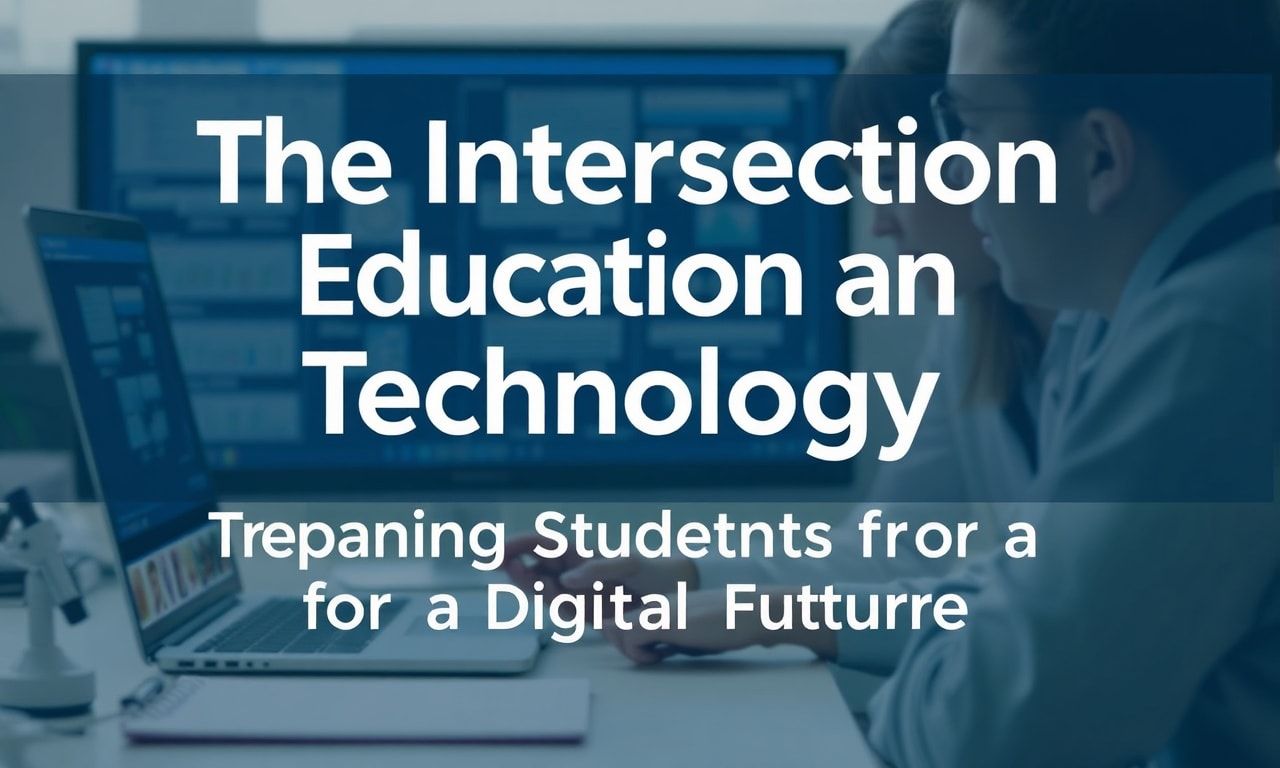
The intersection of education and technology presents exciting opportunities for transforming the way we learn and teach. By embracing innovative teaching methods, fostering digital literacy, and promoting lifelong learning, educational institutions can prepare students for a digital future. As technology continues to advance, it is essential for educators and students to stay informed and adaptable, ensuring that they are well-equipped to navigate the challenges and opportunities of the 21st century. By doing so, we can create a more inclusive, equitable, and dynamic educational landscape that empowers individuals to thrive in an increasingly digital world.