The Holistic Approach to Education
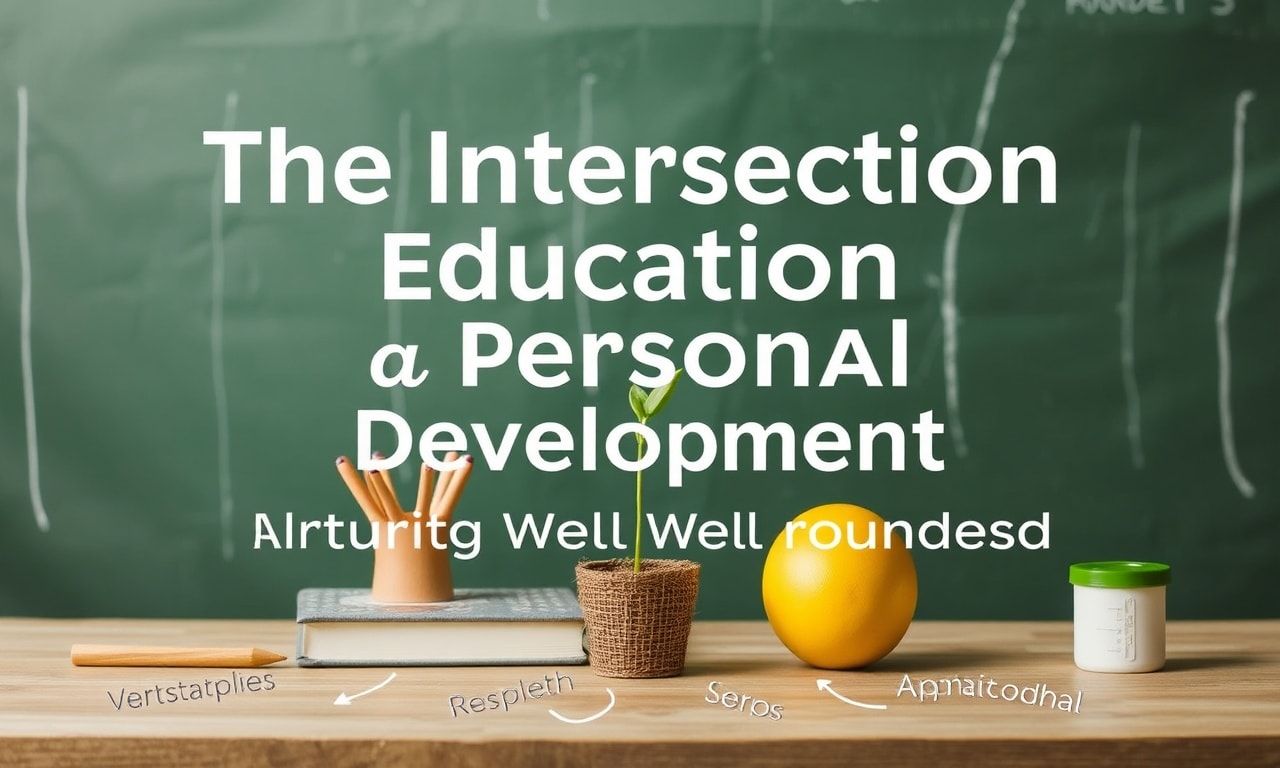
Education is not merely about acquiring knowledge; it’s about cultivating a well-rounded individual capable of thriving in various aspects of life. Traditional education systems often focus on academic achievements, but the true essence of learning lies in its ability to foster personal growth, critical thinking, and practical skills. This holistic approach ensures that students are not only equipped with theoretical knowledge but also with the tools necessary to navigate the complexities of the real world.
Integrating Life Skills into the Curriculum
One of the most effective ways to bridge the gap between academic learning and personal development is by integrating life skills into the curriculum. Subjects like financial literacy, time management, and communication skills are essential for students to become self-sufficient and successful in their personal and professional lives. Schools and educational institutions can incorporate these topics into existing courses or offer them as elective subjects to provide students with a comprehensive learning experience.
For instance, a course on financial literacy can teach students the importance of budgeting, saving, and investing. These skills are crucial for managing personal finances and making informed decisions about money. Similarly, communication skills can be honed through debates, public speaking, and group projects, which not only improve academic performance but also prepare students for future career opportunities.
The Role of Extracurricular Activities
Extracurricular activities play a pivotal role in the personal development of students. Participation in sports, arts, and clubs can help students discover their passions, develop teamwork skills, and build confidence. These activities provide a platform for students to apply the knowledge they gain in the classroom to real-world situations, fostering a deeper understanding and appreciation of the subject matter.
Moreover, extracurricular activities can also help students develop a sense of responsibility and time management skills. Balancing academic work with extracurricular commitments teaches students the importance of prioritizing tasks and managing their time effectively. This skill is invaluable in both personal and professional settings, as it enables individuals to meet deadlines, stay organized, and maintain a healthy work-life balance.
Emotional Intelligence and Social Skills
Emotional intelligence and social skills are often overlooked in traditional education systems, but they are crucial for personal development and success in the workplace. Emotional intelligence involves understanding and managing one’s own emotions, as well as empathizing with the emotions of others. This skill is essential for building strong relationships, resolving conflicts, and navigating social situations.
Social skills, on the other hand, encompass a range of abilities, including active listening, effective communication, and teamwork. These skills are vital for collaborating with others, building networks, and achieving common goals. Educational institutions can foster emotional intelligence and social skills through group projects, peer mentoring, and community service initiatives.
The Impact of Technology on Education
The advent of technology has revolutionized the way we learn and interact with the world. Online courses, educational apps, and virtual classrooms have made learning more accessible and flexible. These technological advancements have also opened up new avenues for personal development, such as online networking, virtual internships, and e-learning platforms.
For example, students can explore jewelry trends 2026 popular styles through online courses that teach design principles and market trends. This not only enhances their knowledge of the subject but also provides them with valuable insights into the fashion industry. Similarly, virtual internships offer students the opportunity to gain practical experience in their field of interest, preparing them for future career opportunities.
Encouraging Lifelong Learning
Education is a lifelong journey, and fostering a love for learning is essential for personal growth and development. Encouraging students to pursue their interests and passions beyond the classroom can help them develop a growth mindset and a thirst for knowledge. This can be achieved through various means, such as reading clubs, workshops, and online courses.
Furthermore, educators play a crucial role in inspiring students to become lifelong learners. By creating an engaging and supportive learning environment, teachers can ignite a passion for learning in their students and encourage them to explore new ideas and concepts. This not only enhances academic performance but also fosters personal growth and development.
The Importance of Self-Reflection
Self-reflection is a powerful tool for personal development, as it allows individuals to assess their strengths, weaknesses, and areas for improvement. Encouraging students to engage in self-reflection can help them gain a deeper understanding of themselves and their goals, enabling them to make informed decisions about their future.
Educational institutions can promote self-reflection through journaling, group discussions, and one-on-one mentoring sessions. These activities provide students with the opportunity to reflect on their experiences, set personal goals, and develop a plan for achieving them. By fostering a culture of self-reflection, schools can help students become more self-aware, resilient, and motivated to succeed.
To deepen your understanding of cultural and natural history, consider exploring the fascinating world of pearls, a subject that beautifully intersects nature and human culture.
To gain insights into the evolving intersection of aesthetics and engineering, consider exploring design trends in automobiles and their educational implications.
To deepen your understanding of this rapidly advancing technology, explore our detailed guide on electric vehicle advancements and their impact on the automotive industry.