The Evolution of Education in the AI Era
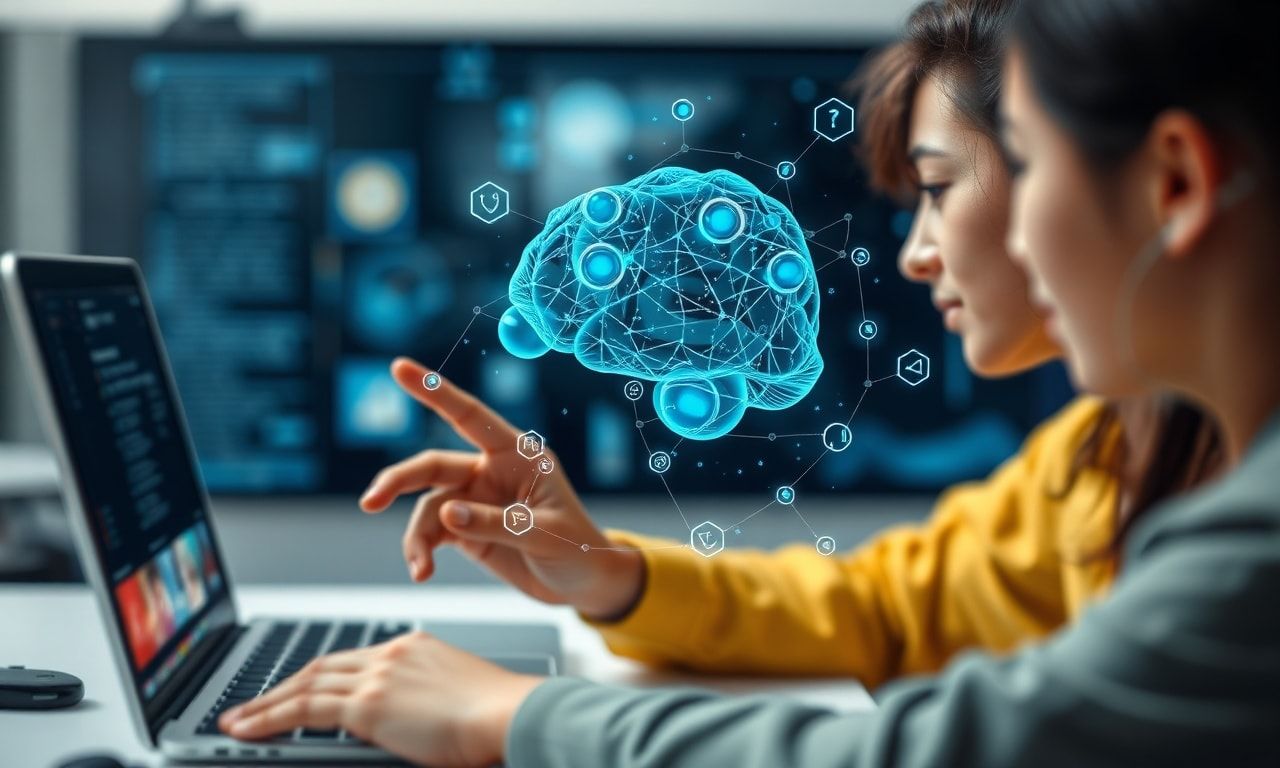
The landscape of education is undergoing a profound transformation, driven by the rapid advancements in artificial intelligence (AI) and machine learning. These technologies are not only reshaping how we teach and learn but also redefining the skills and knowledge required for the future workforce. As educators, it is crucial to understand and integrate these technological advancements into our teaching methods to better prepare students for the challenges and opportunities ahead.
The Role of AI in Personalized Learning
One of the most significant impacts of AI in education is the ability to personalize learning experiences. AI-powered tools can analyze a student’s performance data and adapt educational content to meet individual needs. This personalized approach ensures that students receive the support they need to succeed, whether they are struggling with a particular concept or ready to advance to more challenging material. By leveraging AI, educators can create a more inclusive and effective learning environment that caters to the diverse needs of all students.
For instance, AI-driven platforms can provide real-time feedback on assignments, identify areas where students need improvement, and suggest resources to help them overcome their challenges. This level of personalized support was previously unimaginable, but with the advent of AI, it is becoming a reality in many classrooms. Additionally, AI can assist teachers by automating administrative tasks, allowing them to focus more on student interaction and less on paperwork.
Case Studies and Real-World Applications
To better understand the impact of AI on education, it is helpful to look at real-world examples. Many educational institutions are already integrating AI into their curricula to enhance learning outcomes. For example, some schools use AI-powered chatbots to answer student queries, provide study resources, and even offer mental health support. These chatbots are available 24/7, ensuring that students have access to assistance whenever they need it.
Moreover, AI can be used to create interactive learning experiences through virtual and augmented reality. These technologies immerse students in virtual environments where they can explore historical events, conduct scientific experiments, and engage in language learning in a more dynamic and engaging way. By incorporating these tools into the classroom, educators can make learning more exciting and memorable for students.
The Importance of AI Literacy
As AI continues to permeate various aspects of our lives, it is essential for students to develop AI literacy. This means understanding how AI works, its applications, and its ethical implications. Educators play a crucial role in equipping students with the knowledge and skills they need to navigate an AI-driven world.
Integrating AI literacy into the curriculum can involve teaching students about the basics of machine learning, data analysis, and the ethical considerations surrounding AI. For example, students can learn about the importance of data privacy, the potential biases in AI algorithms, and the impact of AI on society. By fostering a deeper understanding of these topics, educators can help students become informed and responsible digital citizens.
Furthermore, students should be encouraged to explore AI through hands-on projects and experiments. This can involve using AI tools to solve real-world problems, such as developing an AI model to predict weather patterns or using machine learning to analyze social media data. These projects not only enhance students’ technical skills but also foster creativity and critical thinking.
Resources for Educators
For educators looking to integrate AI into their teaching, there are numerous resources available. Online platforms like Coursera, edX, and Khan Academy offer courses on AI and machine learning that can help educators stay updated on the latest developments. Additionally, organizations like the Austin Texas artificial intelligence and machine learning news provide valuable insights into the latest trends and innovations in the field.
Educators can also collaborate with tech companies and research institutions to bring AI into the classroom. Many companies offer educational programs and resources designed to help teachers integrate AI into their lessons. By leveraging these resources, educators can create a more engaging and effective learning environment for their students.
The Future of Education in an AI-Driven World
The future of education is undoubtedly intertwined with the advancements in AI. As technology continues to evolve, educators must adapt and innovate to meet the changing needs of their students. By embracing AI and integrating it into the curriculum, educators can prepare students for the challenges and opportunities of the future.
In conclusion, the intersection of education and AI presents a unique opportunity to transform the way we teach and learn. By leveraging AI-powered tools and resources, educators can create a more personalized, engaging, and effective learning environment. Additionally, fostering AI literacy among students is crucial for preparing them to thrive in an AI-driven world. As we continue to explore the possibilities of AI in education, it is essential to stay informed, adaptable, and innovative.
To understand the dynamic relationship between learning environments and city growth, delve into education shaping urban progress, a compelling case study.
To deepen your understanding of Egypt’s rich history and its impact on modern academia, delve into Cairo’s ancient marvels and waterways, a fascinating exploration of the city’s educational significance.
To stay updated on the latest trends and strategies in education, we suggest exploring online learning’s modern evolution, a comprehensive guide for today’s learners.