The Importance of Lifelong Learning
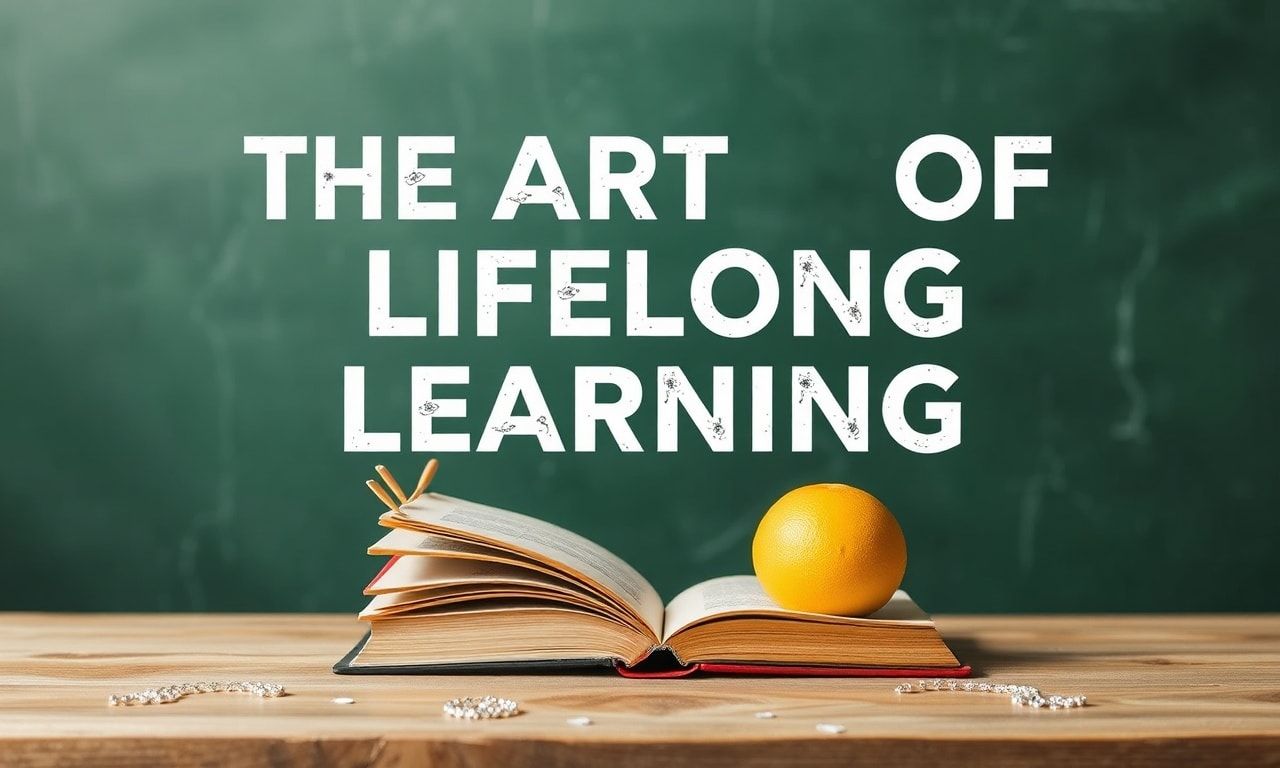
In today’s rapidly evolving world, the concept of lifelong learning has become more crucial than ever. The days of acquiring a degree and resting on one’s laurels are long gone. Continuous education is now the key to staying relevant, competitive, and fulfilled in both personal and professional spheres. This article explores the significance of lifelong learning and provides practical strategies to embrace this educational journey.
Understanding Lifelong Learning
Lifelong learning refers to the ongoing, voluntary, and self-motivated pursuit of knowledge for either personal or professional reasons. It is not confined to traditional educational institutions but encompasses a wide range of activities, including online courses, workshops, reading, and even travel. The goal is to foster a mindset that values curiosity, adaptability, and growth.
The Benefits of Continuous Education
Engaging in lifelong learning offers numerous benefits. For instance, it enhances cognitive functions, keeps the mind sharp, and can delay the onset of age-related cognitive decline. Professionally, continuous education can lead to career advancement, increased earning potential, and greater job satisfaction. Personally, it can boost self-esteem, expand social networks, and enrich one’s quality of life.
Overcoming Barriers to Lifelong Learning
Despite its advantages, many people face barriers to lifelong learning. Common obstacles include lack of time, financial constraints, and the perceived difficulty of certain subjects. However, with the right strategies, these barriers can be overcome. For example, one can start small by dedicating just 30 minutes a day to learning. Additionally, leveraging free or low-cost resources, such as online courses and libraries, can make education more accessible.
Strategies for Effective Lifelong Learning
To make the most of lifelong learning, it’s essential to adopt effective strategies. Here are some practical tips to help you on your educational journey:
Set Clear Goals
Setting clear, achievable goals is the first step in any successful learning endeavor. Whether you aim to learn a new language, acquire a professional certification, or simply expand your knowledge in a particular area, having a well-defined objective will keep you motivated and focused.
Create a Learning Plan
Once you have set your goals, create a learning plan to achieve them. This plan should outline the resources you will use, the time you will dedicate to learning each day, and the milestones you will aim to reach. For example, if you are learning a new language, you might plan to complete one lesson per day and take a practice test every week.
Utilize Technology
Technology has made lifelong learning more accessible than ever. Online platforms offer a wealth of resources, from video tutorials to interactive courses. Additionally, apps and tools can help you stay organized and track your progress. For instance, you can use a travel rewards credit card review to find the best deals on educational trips or conferences that align with your learning goals.
Join Learning Communities
Joining learning communities can provide valuable support and motivation. Whether online or in-person, these communities offer a space to share knowledge, ask questions, and collaborate with others who have similar interests. Engaging with a community can also help you stay accountable and committed to your learning goals.
Making Learning a Habit
Incorporating learning into your daily routine is essential for making it a habit. Here are some tips to help you stay consistent:
Start Small
Start with small, manageable tasks to build momentum. For example, you might begin by reading a few pages of a book each day or watching a short educational video. As you become more comfortable with the routine, you can gradually increase the time and complexity of your learning activities.
Stay Consistent
Consistency is key to forming a habit. Set aside a specific time each day for learning and stick to it. Whether it’s early in the morning, during your lunch break, or in the evening, having a regular schedule will help you stay on track.
Track Your Progress
Tracking your progress can provide a sense of accomplishment and motivation. Use a journal, app, or spreadsheet to record your learning activities and milestones. Celebrate your achievements, no matter how small, to reinforce positive behavior.
Conclusion
Lifelong learning is a powerful tool for personal and professional growth. By embracing continuous education, you can stay adaptable, curious, and fulfilled. Whether you are looking to advance your career, explore new hobbies, or simply expand your knowledge, the strategies outlined in this article can help you on your journey. Remember, learning is a lifelong adventure, and every step you take brings you closer to your goals.
To enhance your academic journey, consider exploring proven learning strategies that can significantly boost your success.
To stay ahead in the evolving world of learning, consider exploring education trends shaping tomorrow and how they might impact your academic journey.