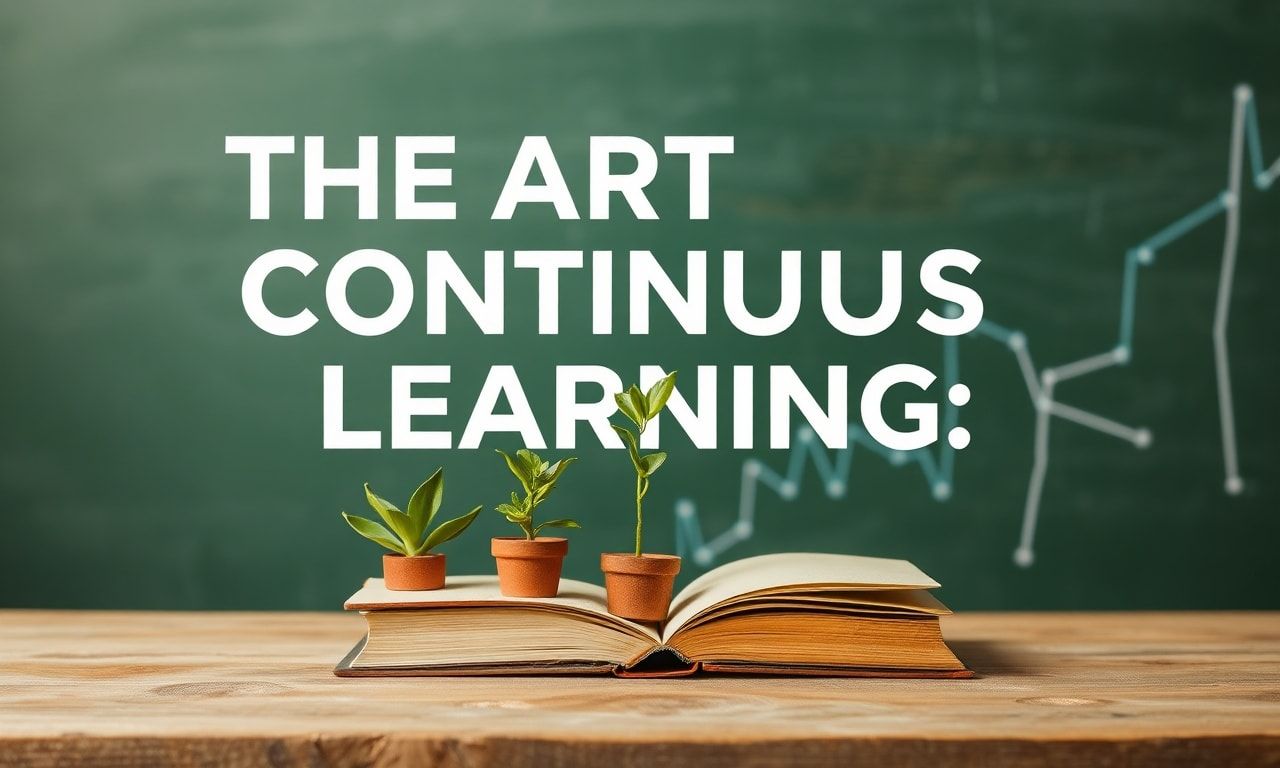
The Importance of Lifelong Learning
In today’s rapidly evolving world, the concept of lifelong learning has become more crucial than ever. Gone are the days when education was confined to the walls of a classroom or the years of formal schooling. Lifelong learning is the continuous, voluntary, and self-motivated pursuit of knowledge for either personal or professional reasons. It is a journey that enriches our lives, enhances our skills, and keeps our minds sharp.
Benefits of Embracing Lifelong Learning
Embracing lifelong learning offers a multitude of benefits. It fosters personal growth, boosts self-confidence, and opens up new opportunities. For instance, learning a new language can improve cognitive abilities, while acquiring new technical skills can enhance career prospects. Moreover, lifelong learning promotes adaptability, a critical skill in an ever-changing job market. It also encourages a growth mindset, which is the belief that abilities and intelligence can be developed through dedication and hard work.
Enhancing Cognitive Abilities
Engaging in lifelong learning activities can significantly enhance cognitive abilities. Studies have shown that learning new skills or subjects can improve memory, concentration, and problem-solving skills. For example, learning to play a musical instrument can enhance hand-eye coordination and fine motor skills. Similarly, engaging in strategic games like chess can improve critical thinking and decision-making abilities. These cognitive benefits are not just limited to academic pursuits but extend to everyday activities as well.
Boosting Career Prospects
In the professional realm, lifelong learning is a powerful tool for career advancement. Acquiring new skills or certifications can make you more competitive in the job market. It can also open up new career paths and opportunities for promotion. For instance, learning digital marketing skills can be beneficial for professionals in various fields, from sales to public relations. Additionally, staying updated with industry trends and advancements can help you stay relevant and valuable in your field.
Strategies for Effective Lifelong Learning
To make the most of lifelong learning, it’s essential to adopt effective strategies. Setting clear goals, creating a study plan, and seeking out relevant resources are all crucial steps. It’s also important to stay motivated and track your progress. One way to stay motivated is to join a community of learners, such as an online forum or a local study group. Sharing your learning journey with others can provide support, encouragement, and valuable insights.
Incorporating learning into your daily routine is another effective strategy. This could be as simple as listening to educational podcasts during your commute or reading a book during your lunch break. You can also make learning a social activity by cooking a new recipe with friends or attending a workshop together. For example, you could explore evde yapabileceğiniz kolay pizza tarifleri güncellemesi to combine learning with a fun, interactive cooking session. The key is to find activities that you enjoy and that fit seamlessly into your lifestyle.
Utilizing Online Resources
Online resources have made lifelong learning more accessible than ever. There are countless websites, apps, and online courses available on virtually any topic imaginable. Platforms like Coursera, Khan Academy, and edX offer courses from top universities and institutions around the world. These courses cover a wide range of subjects, from computer science to philosophy, and are often self-paced, allowing you to learn at your own convenience.
Practicing Active Learning
Active learning is a strategy that involves engaging with the material in a meaningful way. This could involve taking notes, asking questions, or applying the concepts you’ve learned to real-world situations. Active learning is more effective than passive learning, such as simply reading or listening to a lecture. It helps to reinforce the information and improve retention. For example, if you’re learning a new language, practicing conversations with native speakers can be more effective than just studying grammar rules.
Overcoming Challenges in Lifelong Learning
While lifelong learning offers numerous benefits, it also comes with its own set of challenges. Time management, lack of motivation, and information overload are common obstacles. However, with the right strategies, these challenges can be overcome. Setting realistic goals, breaking tasks into smaller steps, and rewarding yourself for your achievements can help you stay on track. It’s also important to take breaks and prioritize self-care to avoid burnout.
Managing Time Effectively
Time management is a critical skill for lifelong learners. With busy schedules, it can be challenging to find time for learning. However, by prioritizing tasks and creating a study schedule, you can make the most of your time. This could involve dedicating a specific time each day or week to learning activities. It’s also important to eliminate distractions, such as turning off notifications on your phone or finding a quiet study space.
Staying Motivated
Staying motivated is another common challenge in lifelong learning. It’s easy to lose motivation when progress seems slow or when faced with difficult concepts. To stay motivated, it’s important to remind yourself of your goals and the reasons why you started learning in the first place. Celebrating small victories and milestones can also help to keep you motivated. Additionally, seeking out support from friends, family, or a learning community can provide encouragement and accountability.
Conclusion
Lifelong learning is a powerful tool for personal and professional growth. By embracing a growth mindset and adopting effective learning strategies, you can overcome challenges and make the most of your learning journey. Whether you’re learning a new skill, exploring a new hobby, or advancing your career, lifelong learning offers endless opportunities for growth and discovery. So, start your lifelong learning journey today and unlock your full potential.
If you enjoyed this article, we recommend checking out The Art of Lifelong Learning: Cultivating for further reading.