The Intersection of Art and Education
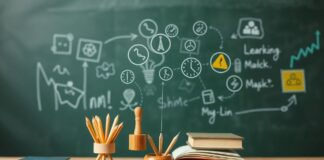
The world of education is vast and multifaceted, encompassing a wide range of subjects and skills. Among these, the arts hold a special place, offering unique opportunities for personal growth, creativity, and intellectual development. Integrating art into educational frameworks can enhance learning experiences, foster critical thinking, and promote cultural awareness. This article explores the benefits of artistic education and provides practical tips for those looking to expand their artistic horizons.
The Benefits of Artistic Education
Artistic education goes beyond the mere creation of beautiful works; it cultivates a variety of cognitive and emotional skills. Engaging in artistic activities can improve problem-solving abilities, boost self-esteem, and enhance communication skills. Moreover, art education encourages students to think outside the box, fostering innovation and creativity. These skills are invaluable in both academic and professional settings, making art a crucial component of a well-rounded education.
Enhancing Cognitive Abilities
Research has shown that participating in artistic activities can enhance cognitive functions such as memory, attention, and spatial-temporal skills. For example, learning to draw or paint requires a keen eye for detail and an understanding of spatial relationships. These skills can translate into improved performance in subjects like mathematics and science, where spatial reasoning is crucial. Additionally, the process of creating art can help students develop better concentration and focus, which are essential for academic success.
Promoting Emotional Well-being
Artistic expression provides a healthy outlet for emotions, allowing individuals to process and understand their feelings. Engaging in creative activities can reduce stress and anxiety, promoting overall mental health. Schools and educational institutions can leverage this by incorporating art therapy programs, which have been shown to help students cope with emotional and psychological challenges. By fostering a supportive environment for artistic expression, educators can contribute significantly to the emotional well-being of their students.
Practical Tips for Expanding Artistic Skills
For those interested in developing their artistic abilities, there are numerous resources and strategies available. Whether you are a beginner or an experienced artist, continuous learning and practice are key to improvement. Here are some practical tips to help you expand your artistic skills:
Taking Online Courses
Online courses offer a flexible and convenient way to learn new artistic techniques and styles. Platforms like Coursera, Udemy, and Skillshare provide a wide range of courses taught by experienced artists. These courses cover various mediums, from painting and drawing to digital art and sculpture. By enrolling in online courses, you can learn at your own pace and gain access to valuable resources and feedback from instructors and peers.
Joining Art Communities
Joining art communities, both online and offline, can provide valuable networking opportunities and support. Engaging with other artists allows you to share ideas, gain inspiration, and receive constructive feedback on your work. Online forums, social media groups, and art websites are excellent platforms for connecting with fellow artists. For instance, learning how to network with other artists online can open doors to collaborations, exhibitions, and other professional opportunities. Additionally, attending local art classes, workshops, and exhibitions can help you build a strong network of artistic contacts.
Experimenting with Different Mediums
Artistic growth often comes from experimenting with different mediums and techniques. Trying out new materials, such as watercolors, acrylics, or digital tools, can help you discover new ways of expressing yourself. Each medium has its unique characteristics and challenges, which can broaden your artistic perspective. Don’t be afraid to step out of your comfort zone and explore unconventional techniques. This experimentation can lead to unexpected breakthroughs and a deeper understanding of your artistic voice.
Practicing Regularly
Consistent practice is essential for improving your artistic skills. Setting aside dedicated time each day or week to practice can help you develop your techniques and refine your style. Keep a sketchbook or journal to document your progress and ideas. Regular practice not only enhances your technical abilities but also helps you develop a keen eye for detail and composition. Remember, every artist starts as a beginner, and continuous practice is the key to mastering any art form.
The Role of Art in Academic Success
Artistic education plays a crucial role in academic success by fostering a holistic approach to learning. Integrating art into traditional academic subjects can make learning more engaging and enjoyable. For example, using visual aids and creative projects in subjects like history and literature can help students better understand and retain information. Art can also serve as a powerful tool for teaching complex concepts in subjects like mathematics and science. By incorporating art into the curriculum, educators can create a more dynamic and inclusive learning environment that caters to diverse learning styles.
Conclusion
The integration of art into education offers numerous benefits, from enhancing cognitive abilities to promoting emotional well-being. By embracing artistic education, students can develop a wide range of skills that are essential for academic and professional success. Whether through online courses, joining art communities, experimenting with different mediums, or practicing regularly, there are countless ways to expand your artistic horizons. As we continue to recognize the value of artistic education, we can create a more creative, innovative, and well-rounded society.
To enhance your understanding of how creativity boosts learning, consider exploring art’s role in education and its impact on skill development.
To understand the dynamic interplay between history and modernity in physical education, delve into Paris’s evolving sports culture and its academic implications.