
Practical Guide: Understanding Education News and Resources
A clear beginner guide for educators and students on evaluating education news, using reliable sources, and selecting learning resources effectively.

This guide helps readers understand how to evaluate education news and find trustworthy learning resources. It explains practical steps to verify information, locate credible sources, and connect it to classroom or study planning. The aim is to make education readers more confident in using timely updates and reliable references.
You will learn how to spot bias, check the reliability of reports, and translate news into teaching or study goals. The guidance stays close to everyday educational work, not theory alone. It also demonstrates how a site like AthertonFM can support learning with accurate, clearly presented information.
By the end, you will have a straightforward approach to reading education news, choosing useful resources, and documenting what you learn for students and peers.
- Learn to assess credibility, verify data, and separate opinion from facts.
- Link news to clear learning goals with practical activities and assessments.
- Choose trusted sources, and build a quick credibility checklist for your classroom.
- Avoid common pitfalls by reading fully, cross-checking, and staying current.
- Basics of assessing education news
- How to connect news to learning goals
- Options for accessing trusted education news
- Pitfalls to avoid when using education news
- Advanced techniques for evaluating sources
- Ethical considerations in using news
- Technology tools for education news
- Long-term planning with current events
- Frequently asked questions
- Practical continuation of learning
Basics of assessing education news
What makes a source credible
Start by checking the publisher and author. Look for institutional domains and clear author credentials. Verify claims against multiple independent sources to avoid echo chambers. This habit protects classroom discussions from misinformation. Bağcılar Sağlık Haberleri provides a local health news example that educators can compare with broader sources to teach credibility.
Consider whether the piece states its evidence or cites studies. When data is presented, look for dates and transparency about methods. If the article relies on anonymous sources, treat it as a stepping-stone for further verification.
In practice, compare headlines with the full text to spot sensationalism. If numbers are cited, trace them back to original reports or official data. Consistent, careful checking builds a solid foundation for teaching or research.
Finding reliable education updates
Build a routine for monitoring education news. Subscribe to a few reputable newsletters and set a weekly review cadence. Regular checks help you stay current without becoming overwhelmed.
Use library databases and official education department releases as anchors for accuracy. Distinguish opinion pieces from data-driven reports to guide classroom decisions. This separation supports balanced instruction.
Create a simple workflow: skim headlines, open the full article, note key facts, and plan a brief discussion prompt for students. Concrete steps make it easier to incorporate news into lessons.
- Weekly review routine
- Anchor sources to official releases
- Distinguish opinion from data
How to connect news to learning goals
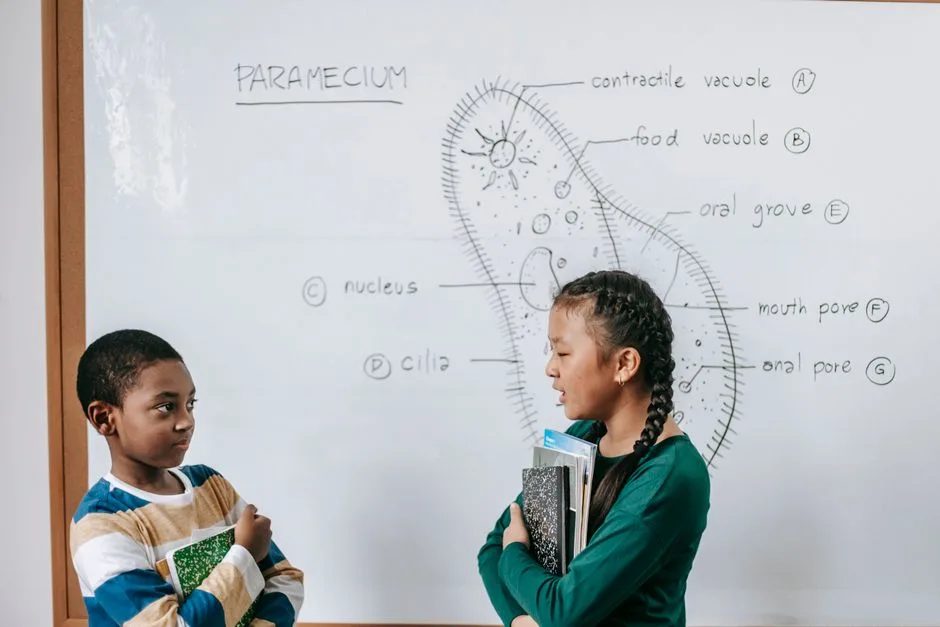
Aligning news with curriculum
Begin with a clear learning objective that the news can illuminate. Map the article's key ideas to a suitable standard or skill, such as critical reading or evidence evaluation. This alignment makes the news meaningful in class. istanbul bağcıkar iş ilanları can illustrate how job market information intersects with career planning for students studying education administration.
Design activities that force students to summarize, critique, or defend a position using the article. Choose tasks that suit different grades and learning styles. Concrete tasks keep discussions focused and productive.
Assess learning through a short, specific outcome, like a rebuttal paragraph or a data interpretation chart. A precise goal helps measure progress and guide future instruction.
Using news for skills practice
News pieces are excellent for practicing source evaluation, argument analysis, and note-taking. Assign students to identify claims, evidence, and counterarguments. This builds critical thinking without needing advanced equipment.
Encourage students to track vocabulary and concepts over several articles. A small glossary helps with subject-specific terms and supports comprehension. Repetition in context reinforces learning.
Incorporate discussion prompts that require students to justify their interpretations with citations from the text. Structured dialogue improves listening and reasoning skills.
Options for accessing trusted education news
Selecting tools for reliability
Choose dashboards or feeds that tag sources by reliability. Favor platforms that link to primary documents or official data. This reduces the risk of misinterpretation.
- Prefer sources with primary links
- Leverage library subscriptions
- Annotate for future use
Combine free access with library subscriptions when possible. Many libraries curate lists of trustworthy outlets and offer search tools for research projects. This balance expands your options without sacrificing accuracy.
Use annotations or personal notes to track how each article informs your goals. A simple habit of recording takeaways makes it easier to reuse material later in teaching or study plans.
| Method | Pros | Cons |
|---|---|---|
| Curriculum-aligned tasks | Direct relevance to standards; clear outcomes | Requires upfront planning |
| News literacy activities | Builds critical thinking; versatile use | Can be time-consuming |
| Data interpretation exercises | Engages with evidence; transferable skills | May need extra scaffolding |
Creating a quick credibility checklist
List three questions you ask before using any article in teaching. Do the authors have expertise? Is the data current? Are sources and methods transparent? A short checklist saves time during busy weeks.
Apply the checklist to both news stories and research summaries. Real-world texts vary in depth; a consistent screen helps maintain standards in learning materials.
Share the checklist with students to empower independent evaluation. A common rubric supports peer review and collaborative learning.
Check publication dates and seek the most current material before planning lessons.
Pitfalls to avoid when using education news

Common misreadings in classroom use
A common pitfall is treating headlines as complete summaries. Always read the full article to catch nuance and missing context. Headlines often frame information in a specific way.
Another risk is relying on a single source for a claim. Cross-check with official data or multiple outlets to confirm accuracy. Relying on a single source invites bias.
Beware aging or out-of-date information in fast-moving topics. Check publication dates and seek the most current material before planning lessons.
Avoiding overreliance on a site
Relying too heavily on one site can limit perspectives. Diversify sources to balance viewpoints and evidence. A wider view supports more robust teaching materials.
Be cautious of sponsored content masquerading as news. Distinguish opinion, analysis, and advertisement. Clear labeling helps maintain trust in classroom resources.
Don’t assume all data is equally rigorous. When possible, verify with peer-reviewed studies or official statistics. This practice strengthens the credibility of lessons.
Advanced techniques for evaluating sources
Cross-checking author credentials
Begin by identifying the author's background and affiliations. Look for recent work in the same field to gauge expertise and potential biases. Cross-check if multiple sources corroborate the author’s claims, which strengthens credibility.
- Author credibility matters for learning goals
- Cross-checking reduces bias
- Transparent methods improve trust
Use library databases or university profiles to verify credentials; avoid relying solely on bios on personal sites. If you find conflicting information, treat the source with caution and seek additional perspectives.
When in doubt, prefer sources with transparent methods and data availability, which allow you to reproduce or verify findings. This helps ensure the information is grounded in solid scholarship.
- Verify author affiliation
- Check publication date
- Look for data transparency
- Seek corroboration
Ethical considerations in using news
Respecting student privacy
Education news often touches on cases involving students and schools. Protect privacy by avoiding identifiable details unless they are essential and publicly disclosed. Consider the impact on individuals before sharing sensitive information.
- ☐ Ethical use means prioritizing learners’ understanding over spectacle
- ☐ Cite sources clearly and fairly
- ☐ Avoid assumptions not supported by evidence
Where possible, refer to aggregated data or anonymized examples to illustrate points without exposing persons. This keeps reporting responsible and suitable for a learning audience.
Educators should model ethical sourcing by citing original reports and avoiding sensational language that skews interpretation of events.
- Avoid identifying individuals
- Use anonymized data
- Cite primary sources
- Practice responsible storytelling
Technology tools for education news
News aggregation for classrooms
Use safe, education-focused feeds to gather current events relevant to curriculum goals. Curate items by aligning them with learning outcomes and unit timelines. This keeps lessons timely without overwhelming students.
Set a short daily or weekly window to review top stories and extract teachable moments. Students can practice summarizing, evaluating sources, and connecting news to course content.
Pair technology with critical thinking: annotate articles, track sources, and compare multiple reports on the same event for a balanced perspective.
- Create a curated feed
- Timeline-aligned selections
- Critical annotation tasks
Long-term planning with current events
Curriculum-aligned news pacing
Incorporate current events into the syllabus at predictable points, so news becomes a context for longer topics. Plan units where events can illustrate evolving concepts and timelines. This helps students see relevance beyond isolated stories.
Coordinate with pacing guides to avoid clashing with exams or major assignments. A steady cadence prevents fatigue and keeps the topic fresh.
Encourage sustained inquiry: students can track a developing story across weeks, comparing early reports with later updates for evidence of progress.
- Align news with units
- Schedule around assessments
- Promote inquiry over one-off items
Frequently asked questions
What makes a news source trustworthy for education purposes?Trustworthy sources for education provide transparent authorship, clear evidence, and explicit methods. They typically show data sources, dates, and a path to verify claims. For learners, this transparency supports critical thinking and reproducibility.
How often should current events be integrated into a course?In most curricula, linking a few current events per unit helps students see relevance without overloading the schedule. Plan around key concepts and assessments, and vary topics to avoid overlap with holidays or exams.
What if a story is controversial or biased?Present multiple viewpoints and model source evaluation. Encourage students to compare reporting styles, identify missing information, and distinguish facts from opinions. Use guided questions to steer balanced discussion.
Which tools help students analyze news effectively?Offer annotation apps, source-tracking checklists, and a simple rubric for evaluating credibility. Provide curated feeds aligned to learning goals, and schedule time for collaborative analysis and reflection.
Practical continuation of learning
A steady practice of evaluating and using education news strengthens both reading competence and subject mastery. Students learn to connect real-world events to core concepts, while teachers maintain a clear route from news to learning outcomes. A well-planned approach reduces confusion and builds confidence.
Next, establish a regular review cycle that fits your course calendar and supports student autonomy. Give learners explicit tasks to assess sources, summarize findings, and relate stories to specific learning goals. This turns news into a durable educational resource.
If you enjoyed this article, we recommend checking out Bağcılar’da Emlak İlanları: Pratik Rehber ve for further reading.
If you enjoyed this article, we recommend checking out How to set up a Bağcılar for further reading.
If you enjoyed this article, we recommend checking out Practical guide to finding entertainment buzz for further reading.
Add Atherton FM as a preferred source on Google


