
Why Madrid’s Registrar Matters for Education Projects
Clear guide for students and educators: what registrar tu empresa en Madrid means, why it matters for academic ventures, and practical steps for learners.

If you’re planning a school project, an NGO program, or a student-driven enterprise in Madrid, understanding the registrar process helps you operate legally and access permits. This explainer translates a business registry into practical steps for education-focused readers. You’ll learn what it is, why it matters to learning initiatives, and how to begin without overwhelming jargon.
This article outlines the basics, then moves to actionable options suitable for classrooms, clubs, or research projects. It emphasizes clear questions, concrete steps, and common missteps to avoid. By the end, you’ll know when registration matters for your educational aims and how to proceed.
The process may seem distant, but the core ideas train planning skills like budgeting, compliance, and project timelines. Think of it as a tool for turning classroom ideas into real, compliant activities. Keep the focus on learning outcomes and the paperwork becomes a practical step toward those goals.
- Registration clarifies how education projects operate legally and access resources.
- Know which path fits your goal: formal nonprofit, school-based, or informal club.
- Prepare documents early and use mentors to avoid delays.
- Team roles and timelines keep the process focused on learning outcomes.
Basics to know about registration
What the process is for
Registration is the official entry of a business or organization into public records, granting legal status to operate. For education projects, it can affect liability, funding eligibility, and partnerships. Understanding the basics helps students plan responsibly and meet institutional requirements. registrar tu empresa en Madrid is a key phrase for understanding local requirements and planning for long-term projects.
- Starting without a clear business model; plan first, then register
- Assuming registration is only for profits; many groups need it for grants
- Neglecting local rules; check Madrid-specific requirements
In Madrid, the registrar acts as the formal gatekeeper for who can operate a business or association within city limits. Knowing the purpose avoids wasted effort on unnecessary steps and clarifies when a project truly needs formal registration.
Without this knowledge, a school club might assume it operates informally forever, risking compliance issues if activities scale or partner with universities.
- Identify whether your project is a business, nonprofit, or club
- Check if your activity requires a local license
- Clarify who should be listed as responsible person
- Prepare basic documents before starting
- Schedule a simple meeting with mentors to review the plan
Why it matters for learning projects
Registration connects classroom ideas with real-world execution, enabling partnerships with schools, libraries, and community groups. It also helps with funding, internships, and research permissions. For students, this clarity reduces confusion during timelines and grants.
Educators benefit by documenting compliance early, which supports risk management and accountability in student projects. A registry presence can simplify collaborations with local authorities and academic partners.
While not every project needs formal registration, knowing the threshold helps students decide when to scale or seek guidance from mentors.
- grants and funding eligibility
- partnership permissions
- risk and liability clarity
- timeline alignment
- mentorship and oversight
What registering means in practice

What documents you may need
Expect standard documents such as identification, proof of address, and a summary of the project. Some entities require registration forms, a charter, or bylaws. Start gathering items early to avoid last-minute scrambles. Madrid noticias can influence how student groups coordinate with local events, deadlines, and opportunities.
In education contexts, you might also prepare a short description of activities, roles, and budgets. Clear, concise information helps authorities assess the project quickly.
Remember, the exact list varies by entity and purpose, so verify with the Madrid registrar or a school liaison to prevent missing forms.
- Proof of address and identity
- Project description and goals
- Budget outline or funding source
- Governing documents (where required)
- Names of responsible persons
Where to start the filing
Begin at the official registry website or the local office to confirm required forms. Many processes now offer online checks and document uploads, which saves time. Start with a quick eligibility check before compiling documents.
If you’re part of a school, ask administrators to coordinate the filing so contacts and approvals align with academic calendars.
Keep a checklist and set reminders for deadlines to avoid interruptions to activities.
- Online eligibility check
- Prepare governance documents
- Coordinate with school administrators
- Set filing deadlines
- Keep a running checklist
Options for education-focused routes
Formal nonprofit routes
A registered nonprofit can access grants and partnerships that support education programs. It requires bylaws, board roles, and clear financial reporting. For student projects, this path offers legitimacy and stability. qué hacer en Madrid guides students toward practical steps that align with cultural and educational contexts.
Nonprofits often rely on faculty or staff advisers to oversee governance and compliance. Students gain experience in governance, fundraising, and impact reporting.
Expect ongoing reporting duties, but also the benefit of credibility when applying for community grants and collaborating with universities.
- Bylaws and governance
- Board roles and responsibilities
- Annual reporting expectations
- Grant eligibility
- Partnership potential
| Route | Requirements | Benefits |
|---|---|---|
| Formal nonprofit | bylaws, governance, reporting | credibility, grants, partnerships |
| Informal/school model | clear purpose, leadership, school approval | speed, flexibility, lower friction |
| Educational institution route | institutional affiliation | simplified oversight, access to facilities |
Informal or school-based models
Some projects operate as school clubs or informal groups with written rules and a clear purpose. This path can be simpler and quicker to launch, but may limit funding and formal partnerships. It suits pilots, study groups, or time-bound campaigns.
Clarity about ownership, decision-making, and risk is essential even in informal models. Students should document roles and plan how activities scale.
Regular reviews with teachers or mentors keep the project aligned with educational goals.
- Clear purpose and rules
- Defined leadership and roles
- Documentation of activities or events
- Plan for scaling or winding down
- School approval where needed
Missing deadlines or misfiling forms can stall activities and damage credibility with partners.
Pitfalls to watch and how to avoid them

Common legal missteps
Underestimating documentation needs leads to delays. Create a simple filing plan that covers identity, purpose, and governance. Keep copies of all submissions for reference. vender artículos de segunda mano en Madrid offers a case study where student groups handle logistics, compliance, and community impact.
- Relying on verbal agreements; put them in writing
- Overlooking school or university rules
- Failing to keep copies of submissions
Missing deadlines or misfiling forms can stall activities and damage credibility with partners. Build a reminders system and use mentor checkpoints.
Assuming online approvals replace in-person verification can backfire if authorities require original documents.
- Missed deadlines
- Incomplete governing documents
- Misunderstanding the proper registry type
Practical delays and how to handle them
Delays often come from missing information or slow responses from authorities. Respond promptly, ask for a clear list of missing items, and deliver documents in the requested format. A small buffer in your timeline helps manage surprises.
Communicate early with mentors about any holdups and seek guidance on acceptable interim steps. Don’t let delays derail your learning objectives.
Use sample templates for forms to avoid recreating standard documents each time.
- Request a checklist path
- Ask for specific missing items
- Maintain substitute timelines
- Use templates and samples
Ethical considerations for student projects
Ethical guidelines for research
When planning student projects, establish clear ethical boundaries from the outset. Describe how consent, data privacy, and fair treatment of participants shape every stage of the registry process. Use real-world examples to illustrate what counts as proper approval and why it matters for learning outcomes. esquelas en Madrid is a reminder that formal processes shape educational work in the city, and understanding them helps classrooms run more smoothly.
Teachers can model ethical decision-making by reviewing hypothetical scenarios and asking students to justify their choices. Emphasize transparency, respect for community norms, and the protection of vulnerable groups. This practice helps students connect classroom theory to responsible research behaviors.
A thoughtful project plan includes a consent checklist, data handling rules, and a simple privacy impact assessment. It also shows how ethical issues influence design choices, such as data collection methods and storage. Encourage students to revise plans if they encounter ethical red flags.
- Consent must be voluntary and informed
- Data minimization reduces risk
- Respect for local rules and culture
- Transparency about purpose and use
- Right to withdraw extended to all participants
Digital tools for registry tasks
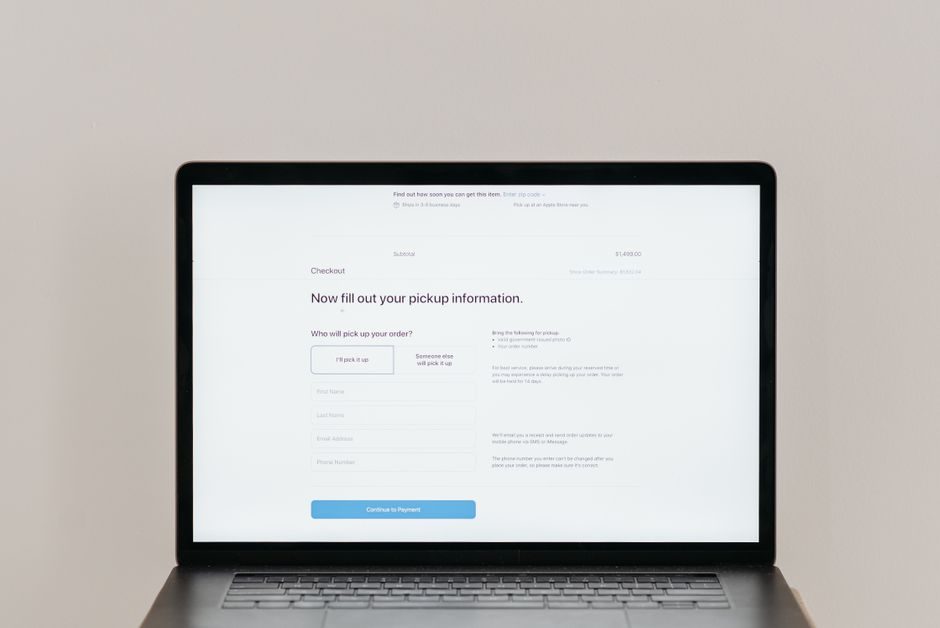
Choosing digital tools wisely
Select tools that fit the project scope and classroom capability. Prioritize user-friendly interfaces, offline access when needed, and clear data export options. This makes registry tasks more predictable and reduces teacher workload.
Balance power with privacy by choosing platforms that offer robust access controls and transparent data policies. Encourage students to compare features such as audit trails, version history, and permission levels.
Lead a hands-on workshop where students practice setting up a sample registry, assigning roles, and exporting a dataset for review. This concrete experience helps them translate ideas into practical steps.
- User-friendly data entry forms
- Clear export formats
- Role-based access controls
- Audit trails and version history
- Offline-first options
Case studies from Madrid classrooms
Real classroom examples
Highlight projects where Madrid schools registered a program, event, or student initiative. Discuss how registration clarified accountability, timelines, and reporting requirements. Concrete examples help students see the relevance to their own work.
- ☐ Document each step of the project lifecycle in the registry.
- ☐ Share milestones and what changed after feedback.
- ☐ Reflect on what worked and what didn’t, with concrete numbers where possible.
Describe challenges faced during implementation, such as coordinating with different school departments or aligning with curricular goals. Explain how teams adapted their plans to stay compliant while achieving learning outcomes.
Wrap up with outcomes and lessons learned, including how the registry supported assessment and reflection. Emphasize transferable skills like collaboration, documentation, and critical thinking.
- Team roles and responsibilities
- Timeline alignment with curricular goals
- Documentation practices
- Assessing impact and learning gains
- Community involvement and feedback
Future steps after registration

Sustaining momentum
Post-registration work should focus on continuity and improvement. Create a plan for ongoing data updates, regular reviews, and clear ownership of tasks. This keeps the project aligned with evolving educational goals.
- Set quarterly check-ins to review data quality.
- Update forms and permissions after each term.
- Publish findings for school or district learning journals.
Schedule periodic reflections with students and stakeholders to adjust online tools, forms, and reporting templates. Use these insights to refine assessment rubrics and learning outcomes.
Document lessons learned and share them with peers to support wider adoption. This practice strengthens professional learning communities and helps others avoid the same pitfalls.
- Regular data updates
- Scheduled reviews and reflections
- Clear ownership of tasks
- Sharing lessons learned
- Adaptation to changing goals
Frequently asked questions
What is the purpose of registering an education project in Madrid?Registration clarifies accountability, timelines, and reporting, making it easier for educators to coordinate with school administration and funders. It helps students see how a project fits into the larger curriculum and institutional expectations.
Who approves a registry in a school setting?Usually a project lead or teacher collaborates with a department head and, where needed, the school registrar. The process ensures feasibility, compliance with policies, and alignment with learning goals.
What data should be collected in a registry?Only data that supports learning objectives should be collected, with a clear justification for each field. Protect privacy by limiting personal details and specifying who can access the data.
How do I start a registry with minimal disruption?Begin with a simple form, assign one data steward, and run a brief pilot. Use feedback from that pilot to adjust forms, roles, and timelines before scaling up.
Conclusion
Registration turns learning ideas into organized projects with clear steps and accountability. It shows students how to move from concept to demonstration while keeping track of responsibilities and timelines.
A well-run registry supports assessment, collaboration, and alignment with curricular goals. It teaches students to plan, document, and reflect with discipline, preparing them for future academic work and evidence-based projects.
Add Atherton FM as a preferred source on Google


