
Using Obituaries in the USA for Education and Research
A practical guide for students and educators on how obituaries in the USA can deepen history, culture, and research skills without relying on sensational source

Educators often overlook obituary collections as learning tools, but they offer accessible primary information about lives, communities, and changing cultural norms. This guide explains how to use obituaries in the USA to teach research methods, source evaluation, and historical context. You’ll learn where to find reliable records, how to verify details, and how to integrate obituaries into lesson plans and assignments.
Obituary records can illuminate demographic trends, migration patterns, and local histories in ways that textbooks alone cannot. By treating obituaries as prompts for critical inquiry, students practice citation, cross-referencing, and evidence-based argumentation. The result is clearer writing, stronger sourcing, and more engaged study of the past.
This half of the article focuses on locating trustworthy obituary sources, assessing their reliability, and designing classroom activities that build information literacy while respecting privacy and ethics. You’ll see concrete steps, sample tasks, and careful caveats so educators can use obituaries responsibly and effectively.
- Obituaries in the USA can be a reliable, scholarship-friendly source when used with care and critical methods.
- Focus on provenance, cross-checking, and ethical use to build solid classroom tasks.
- Plan assignments that connect individual notices to broader social and historical questions.
Basics of using obituaries in education
Where to find reliable records
Begin with library archives, university databases, and reputable newspapers that publish obituaries with sources and dates. Cross-check multiple copies to confirm key facts such as birth and death dates, locations, and family names. Avoid relying on a single online notice that lacks provenance. This builds a solid foundation for any classroom activity. obituaries in the USA provide a gateway to local and national histories.
Obituaries often appear in local collections, national outlets, and cemetery records that libraries curate. Students learn to compare the language used, note any corrections, and track how reporting evolves over time. This teaches critical reading and the importance of provenance.
An initial research task might involve tracing one individual across two or more notices to spot differences in spelling or detail. Document these variations and consider why they occurred, such as changes in place names or family information.
- Choose at least two sources for each entry
- Record full citation details
- Note any inconsistencies for discussion
- Identify the publication date for context
- Respect privacy when discussing living relatives
How to verify information responsibly

Cross-checking facts
Teach students to verify names, dates, and locations against multiple records such as cemetery logs, local histories, and obituary indexes. This reduces reliance on a single source and strengthens evidence. Students learn to document where each fact comes from. A useful resource on this topic: latest news USA.
- Identify the primary source for each fact.
- Cross-check with a second independent record.
- Document where you found the information and why it’s credible.
Discuss common errors like misspellings or assumed relationships and how to test them using public records and archival material. Emphasize the value of primary sources in building trustworthy narratives. This practice supports rigorous research habits.
Create a short checklist students can use during any obituary research: confirm full name, birth and death dates, hometown, and source credibility. Use this to guide in-class assignments and independent work.
- Confirm each fact with at least two sources
- Record citation details
- Note discrepancies and discuss possible reasons
- Evaluate the credibility of the source
Different ways to use obituaries in class
Research projects and essays
Assign students to build a mini-biography from obituary data, requiring citation and synthesis of at least two sources. This exercise reinforces source evaluation and narrative writing. It also connects individual life stories to larger social contexts. local events in the USA this week
- ☐ Choose a historical figure or community member from obituary data.
- ☐ Use at least two sources for each fact.
- ☐ Present findings with proper citations.
Design a compare-and-contrast task: compare obituaries from two decades to observe shifts in language, values, and emphasis. Students practice textual analysis and historical interpretation.
Offer optional extensions, like mapping a person’s life events on a timeline or linking their story to local history. These activities foster integrative thinking and data organization.
- Biographical mini-project
- Two-decade comparison
- Timeline or map extension
| Source reliability | Fact verification | Citation practice |
|---|---|---|
| Library archives | Cross-check with at least two records | Include full publication details |
| Newspaper obits | Compare date and place data | Record date, title, and author if available |
| Digital indexes | Evaluate scan quality and metadata | Note access date and collection |
Ethics and privacy in teaching
Explain to students that obituaries are public records but people’s lives deserve respectful handling. Discuss limits on sharing sensitive details and the importance of context when publishing student work.
Highlight that not all records are complete, and some communities may have sparse data. Teach students to acknowledge gaps and avoid speculation.
Provide clear guidelines on consent, especially for modern obituaries or living relatives, and model responsible citation and attribution.
- Respect privacy
- Avoid speculation
- Cite sources clearly
Use guided questions to examine who is highlighted and why, and how the date and venue influence the narrative.
Advanced research applications for biographies in education
Ethical use in lesson plans
When you plan lessons, treat obituaries as primary sources that require careful context. Students compare multiple obituaries to detect bias and framing. This builds critical thinking about how communities remember individuals. add your business to the USA business directory
Use guided questions to examine who is highlighted and why, and how the date and venue influence the narrative. This helps learners distinguish between commemorative tone and factual data.
Students practice citation and quotation skills by referencing obituary text with proper attribution, improving academic integrity and research habits.
- Compare multiple obituaries for the same person
- Note date, place, and publication differences
- Cite sources with full bibliographic details
Cross-disciplinary inquiry using obituaries
Linking history and literature
Obituaries can illuminate cultural priorities and historical contexts that shaped a person's life. In class, students map events mentioned in obituaries to wider timelines. This makes abstract dates and milestones tangible through personal stories. place an advert in the USA is a realistic local context for students studying media history and how obituary notices could be integrated into public communications.
Encourage students to analyze language, tone, and emphasis and compare with standard biographical summaries. This sharpens interpretation across disciplines.
Assign a short synthesis where students explain how obituary details reflect social norms of the time.
- Analyze tone and emphasis in several obituaries
- Correlate events with historical timelines
- Write a cross-disciplinary brief
Methods for classroom discussion and evaluation
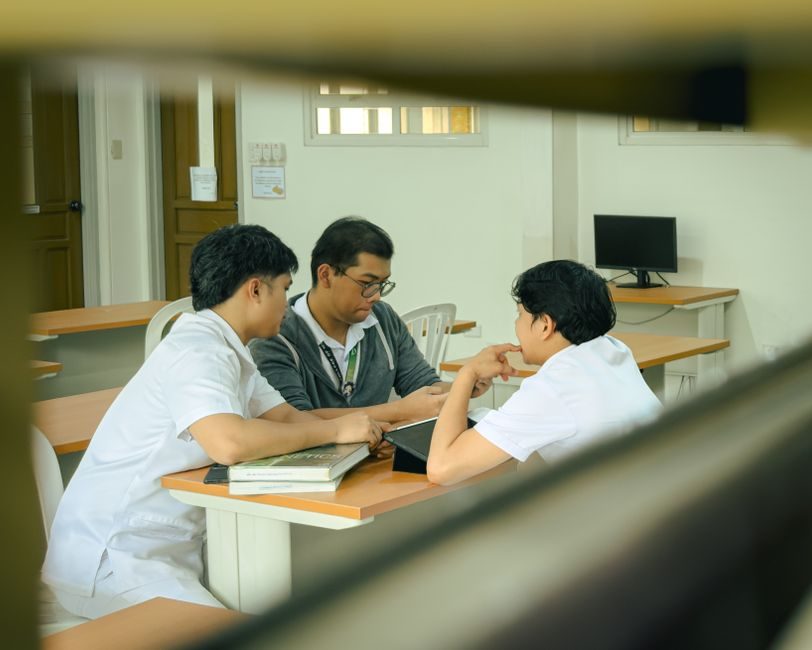
Dialogue guidelines for sensitive topics
Obituaries often touch on family, community impact, and end-of-life narratives. Establish clear discussion rules to respect differing perspectives. This supports a safe classroom environment where students can ask questions without causing harm.
Lead with objective questions about sources and bias, then invite personal reflections linked to coursework. This balance helps learners connect theory to real-world material.
Conclude with a written response that explains what was learned and lists useful citations for further study.
- Set ground rules for respectful discussion
- Focus on source evaluation over emotion
- Require citation of at least two sources
Practical uses and classroom activities
Project ideas and assessment
Students can design a small research project using obituaries to profile a local figure or a historical community. This builds research planning, source extraction, and presentation skills. Clear rubrics help students focus on evidence and narrative coherence.
- Myth: Obituaries are flawless records of a person’s life.
- Fact: Obituaries often reflect the writer’s perspective and the era’s norms.
Offer options such as a timeline, a diary entry from the subject’s perspective, or a short documentary script. This variety supports different learning styles.
Provide checkpoints that require verified sources and annotated bibliographies to reinforce scholarly habits.
- Create a research plan with milestones
- Choose a presentation format that suits the student
- Include an annotated bibliography
Frequently asked questions
Why use obituaries in education at all?Obituaries offer authentic, real-world text with dates, places, and social context. They are useful for practicing source evaluation, citation, and historical understanding. When used carefully, they connect coursework to lived experience.
Are obituaries biased or incomplete sources?Yes, they often reflect the writer’s perspective and the era’s norms. Treat each notice as one data point and verify key facts with additional records. Looking for corroboration across multiple sources reduces bias.
How should I assign obituary-based work?Give students a clear rubric that rewards evidence gathering, cross-checking, and precise citations. Provide multiple sources and require a brief reflection on what was learned about bias and context.
What safety considerations exist for younger students?Avoid sharing sensitive personal details. Prefer public-domain notices or educational collections that are appropriate for all ages. Set ground rules for discussion and provide off-ramps if a topic becomes uncomfortable.
Closing reflections and next steps
Educational use of obituaries helps students practice critical thinking, research ethics, and communication. By combining multiple sources and guided analysis, learners gain a balanced view of individuals and the contexts around their lives.
A practical next step is to design a short obituary-based project aligned to your course outcomes, with explicit sourcing requirements and a public-friendly presentation. This strengthens both skills and confidence in handling sensitive material.
Add Atherton FM as a preferred source on Google


