
How to use community events as an education resource: a practical guide
A practical, timeless guide showing how community events can support learning, skills, and research with step-by-step use and careful planning.

Community events can enrich learning by providing real-world contexts for classroom topics, from local history to science fairs. This guide explains how to identify relevant events, assess their educational value, and connect them to course goals. You’ll learn concrete steps to integrate events without overwhelming students or instructors.
Events offer authentic experiences that can reinforce reading, writing, and critical thinking. By selecting well-matched activities and planning beforehand, educators can turn outings into structured, study-ready assignments. The result is deeper engagement and clearer demonstrations of learning in action.
Whether you teach middle school or university seminars, the core idea stays the same: choose events that align with learning targets, prepare students to observe and reflect, and document outcomes for assessment. This approach turns community happenings into meaningful, teachable moments.
- Community events can support curriculum by offering authentic contexts for learning. Plan carefully, align goals, and reflect to turn visits into evidence of understanding. Use local programs to extend topics beyond the classroom.
- Choose events that mirror course topics and provide concrete observation tasks. Prepare students with pre-visit prompts and post-visit assignments that require demonstration of learning.
- Assess safety, accessibility, and logistics early. Build in inclusive options and ensure supervision is appropriate for the group. Document outcomes for assessment and improvement.
- Use both local and online events to diversify learning experiences. Keep the focus on educational goals, and connect each visit to course outcomes and rubrics.
Foundations: why events fit education
Purposeful selection
Start with your course goals and identify event types that naturally align with them. For example, a biology unit can pair with a local aquarium tour or a science fair. Clearly map what students should observe, question, and report after the visit. community events in the USA
- ☐ Link learning goals to the event’s features
- ☐ Create a short pre-visit task for students
- ☐ Draft a simple post-visit reflection prompt
- ☐ Record which outcomes your students demonstrated
The second step is to assess accessibility, safety, and logistical feasibility. Check transportation, permissions, and any required supervision. This reduces last-minute stress and keeps the focus on learning outcomes.
Finally, set expectations for preparation and reflection. Provide pre-visit reading, a checklist of observation targets, and a post-visit write-up to consolidate learning.
- Choose events that mirror core topics
- Verify safety and access
- Prepare students with specific tasks
- Plan a structured post-visit assignment
- Document outcomes for assessment
Entry points and safety
Not all events suit every age or ability. Choose experiences that accommodate diverse learners and provide alternative activities if needed. Prioritize venues with clear accessibility options and trained staff.
Safety planning isn’t optional. Confirm supervision ratios, health considerations, and emergency procedures well before the visit. A calm plan reduces disruption and keeps the focus on learning.
Finally, avoid information overload by offering a few concrete observation tasks rather than a long list. Clear targets help students stay engaged and produce useful reflections.
- Match event type to learner needs
- Check accessibility and support
- Limit tasks to key observations
- Prepare safety and contact info
- Assign supervisory roles as needed
How to link events to learning goals
Frame learning targets
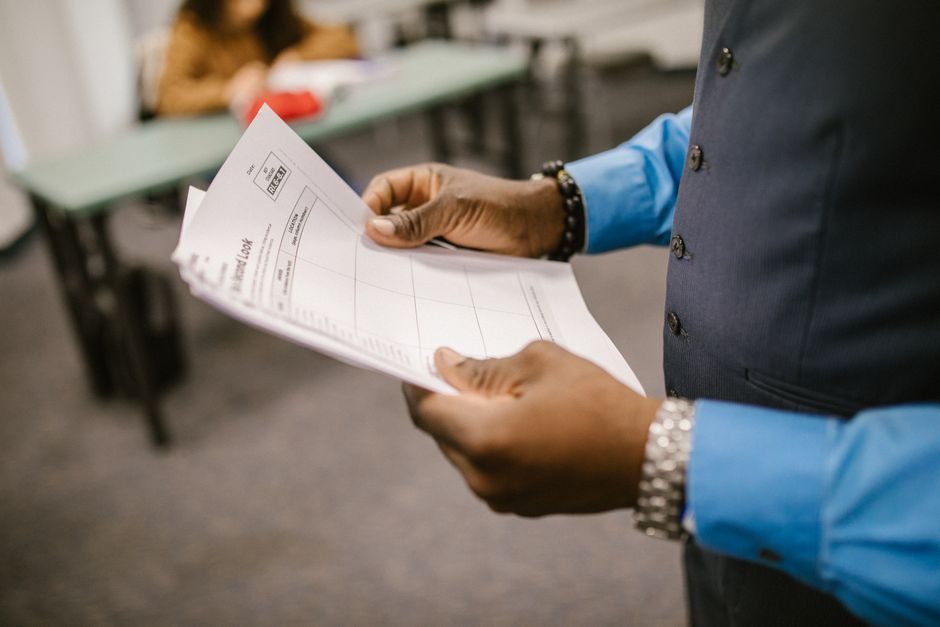
Begin with a clear learning outcome for the visit. Translate that outcome into 2–3 concrete observation tasks or questions students should answer. This makes the visit purposeful rather than optional entertainment. A useful resource on this topic: Anime Manga Daily website.
Structure pre-visit work that introduces key concepts and vocabulary. This builds readiness and reduces off-task behavior during the event.
Design a post-visit activity that requires evidence of learning, such as a short report, diagram, or data table. This seals the connection between experience and assessment.
- Define observable outcomes
- Provide pre-visit prompts
- Create evidence-based post-visit tasks
- Link to course rubrics
- Schedule time to debrief
Assessment and reflection
Use the event as a prompt for formative assessment rather than a one-off excursion. Quick exit tickets or short reflections can reveal understanding gaps. This keeps teaching responsive and targeted.
Collect student work that demonstrates observation skills, data interpretation, or argument development. Use it to adjust future instruction and to bolster evidence of learning.
Close the loop with a brief class discussion that connects observations to course concepts. This reinforces transfer from experience to knowledge.
- Use exit tickets to gauge learning
- Gather artifacts for assessment
- Discuss connections to core concepts
- Adjust future lessons based on evidence
Options: how to find relevant events
Local schools and libraries
Libraries, museums, and community centers often host education-friendly programs that are free or low-cost. Look for family science nights, author visits, or history talks that align with your syllabus. These events provide accessible venues for experiential learning. A useful resource on this topic: submit your business in the USA.
Ask staff about teacher workshops or classroom partnerships. Some locations offer guided tours and discussion prompts designed for students. This reduces prep time while maintaining educational value.
Consider how to integrate a visit with a related at-home assignment, such as collecting local artifacts, interviewing a community member, or compiling a mini-portfolio of notes.
- Check local calendars and newsletters
- Ask about educator resources
- Pair visits with at-home projects
- Choose events that complement your topics
| Option | Method | Best use |
|---|---|---|
| Local programs | In-person tours | When you want direct interaction with facilities |
| Library events | Guided sessions | For structured learning prompts and handouts |
| Online events | Virtual tours | To accommodate remote or time-limited learners |
Online and hybrid formats
Virtual and hybrid events broaden access and can fit tighter schedules. Select webinars or virtual tours that include a Q&A or downloadable resources for learners.
Ensure digital access is equitable by providing alternative tasks for students without reliable internet. Offer offline materials or recorded options.
Document the digital footprint: note links, resources, and potential follow-ups that extend the learning beyond the event.
- Choose events with interactive components
- Provide offline equivalents
- Save resource lists for later use
- Coordinate with remote learners
Choose events that let students contribute something tangible, such as a short summary, a poster, or a brief critique.
Assessment-driven outreach
Align goals with community needs
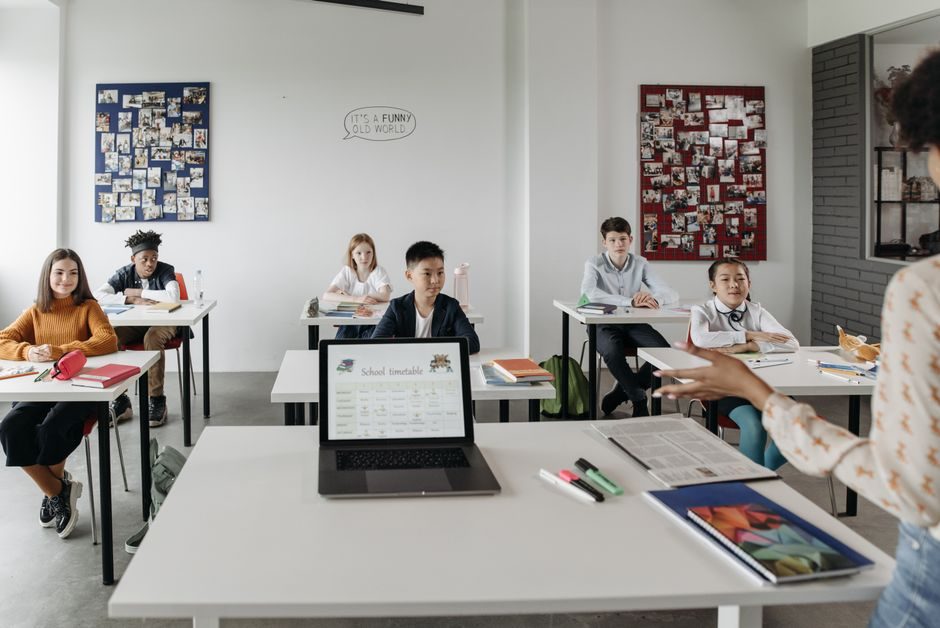
Begin by mapping course outcomes to local events that reinforce reading, research, or presentation skills. Look for events that offer audience diversity, actionable takeaways, and opportunities for post-event reflection. This makes participation meaningful for students and easier to assess learning gains. A useful resource on this topic: USA classified ads.
Choose events that let students contribute something tangible, such as a short summary, a poster, or a brief critique. Document expectations in a one-page rubric to guide both participation and evaluation. This clarity helps students connect event insight to course objectives.
Coordinate with local organizers to outline a simple post-event assignment that asks students to compare perspectives heard at the event with textbook theories. Use a ready-made template to streamline grading and ensure consistency. The result is a repeatable workflow for future projects.
- Identify the learning goal first
- Choose events with clear outcomes
- Plan a concrete post-event task
- Create a simple rubric
- Coordinate early with organizers
Student-led event planning
Organizing a campus event
Students can take charge of planning a campus talk or workshop linked to a course theme. They’ll handle outreach, logistics, and a reflection activity. This builds project-management and collaboration skills alongside content learning. post a funeral announcement in the USA
- Form a planning team with defined roles
- Create a timeline
- Coordinate venue and permissions
- Prepare a reflection activity
Assign roles clearly: liaison, content curator, facilitator, and evaluator. Provide a checklist for tasks, deadlines, and required approvals. Regular quick check-ins keep the project on track.
Encourage students to design a post-event assignment that analyzes audience questions and relates them to course concepts. This reinforces critical thinking and evidence-based reasoning. A debrief session helps students articulate what worked and what didn’t.
- Establish roles and timelines
- Secure a mentor from the department
- Prepare a post-event analysis
- Offer a brief debrief session
- Provide a simple budget template
Ethical considerations for youth participation
Respecting safety and consent
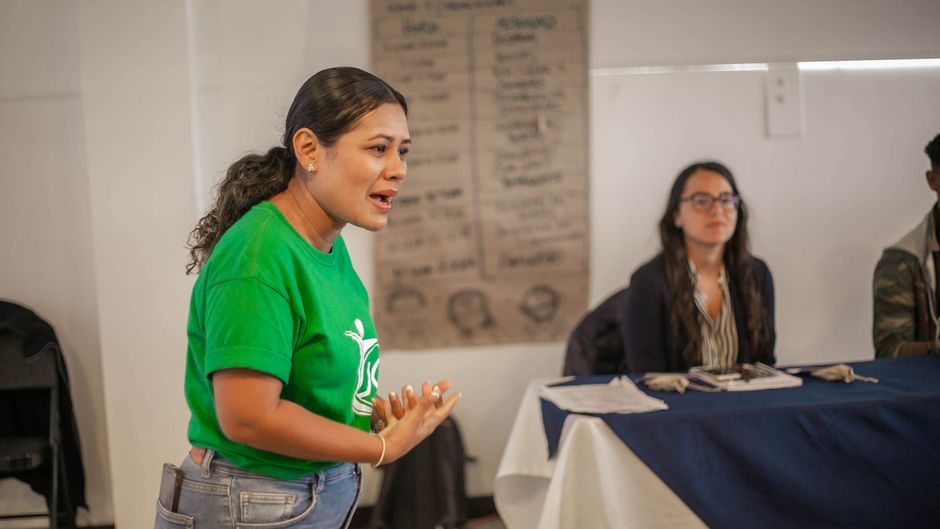
When youth participate in events, instructors must obtain parental consent where required and ensure content is appropriate for all attendees. Set clear boundaries for recording, sharing, and question-asking to protect privacy. This fosters a safe learning environment.
Provide age-appropriate facilitation training for student organizers and moderators. Establish ground rules at the start and post them where students can reference them. This reduces ambiguity and potential conflict.
Design reflection activities that respect diverse experiences and avoid placing students in uncomfortable situations. Offer opt-out options and alternative assignments if needed. Document feedback to improve future events.
- Obtain necessary permissions
- Set clear participation rules
- Offer opt-out options
- Train student facilitators
- Monitor safety continuously
Measuring impact and evidence
Collecting simple data points
Use a straightforward data sheet to log attendance, participation quality, and post-event reflections. These metrics should connect to specific learning outcomes. Avoid overcomplicating the process with unnecessary data.
- Define measurable outcomes
- Collect simple data
- Review and share results
Instructors can compare pre- and post-event responses to gauge understanding shifts. Use short-answer prompts that target core concepts. This provides quick evidence of impact without lengthy surveys.
Share outcomes with students to close the loop and motivate improvement. A short, data-informed summary helps students see progress and areas for growth.
- Track attendance
- Capture qualitative reflections
- Analyze learning shifts
- Provide feedback loop
- Summarize results for stakeholders
Frequently asked questions
What counts as a community eventA community event is any local gathering that offers learning opportunities beyond the classroom. This can include lectures, workshops, museum programs, or volunteer drives. The key is alignment with course goals and opportunities for reflection.
How do events align with learning goalsSelect events that directly connect to a stated learning outcome and provide a task for students to complete after the event. Use a simple rubric to measure understanding and engagement.
How can I evaluate impact without surveysUse brief reflection prompts, short written summaries, or quick concept maps. Compare pre- and post-event ideas to show shifts in thinking and application.
What safety considerations matter for youthObtain appropriate permissions, set clear ground rules, and offer opt-out options. Ensure facilitators are trained to manage discussions respectfully and inclusively.
Conclusion
Finally, start small with one class and a single event. Build a repeatable, simple process that ties activities to learning goals, and use quick reflections to demonstrate growth.
Next, broaden participation by inviting more courses, adding an evaluation log, and sharing outcomes with program leaders to justify expansion.
Add Atherton FM as a preferred source on Google


