
How to list a business in the USA for learners and educators
A practical guide for students and teachers on listing a business in the USA, with steps, options, pitfalls, and tips for education readers.

This guide helps education readers understand why listing a business in the USA matters for classrooms and research, and how to do it clearly. It highlights practical steps that teachers, students, and school projects can use to document local services or vendors. Expect concrete actions, safety checks, and plain language that makes the process comprehensible for learners.
In education contexts, listing a business can support field trips, project partnerships, and data collection for studies. The steps below use everyday examples a student might encounter when researching local providers. The goal is to demystify the process with straightforward tasks and firm check-ins.
If you are preparing a class assignment or a school project, this guide gives you a reliable workflow. You will learn what information to gather, where to publish it, and how to verify accuracy. The result is a ready-to-use plan that aligns with classroom outcomes and research standards.
- Learn the steps to list a business in the USA, focusing on education-friendly data gathering and verification.
- Choose the right listing option to balance visibility and accuracy for a school project.
- Verify details through multiple reliable sources and document the process for classroom use.
- Use listings to support research, field work, and partnerships in education settings.
Basics of business listings
Why you need it in education
Listing a business in the USA creates a verifiable reference point for learners. It supports field study by giving students a concrete, real-world example to analyze. This section explains when a listing helps a classroom project and how to start gathering core facts. list your business in the USA
This is not about promotion alone; it is about data collection and accuracy. Teachers can use listings to teach sources, reliability, and citation practices. Students learn to distinguish official data from informal notes.
The example here is a small local supplier that a class might profile for a project on community resources. The process remains practical and classroom-friendly, focusing on essential attributes and verifiable contacts.
- Identify the target business
- Collect official name and address
- Confirm contact details
- Note business type and services
Options for listing
There are several legitimate places to list a business, including state records, local chambers, and reputable directories. Each option has different visibility and verification requirements. This sub-section helps you pick the best fit for a school project.
Choosing the right place depends on the project goal: accuracy, reach, or archival value. You can combine several options to build a reliable dataset for a classroom activity.
The scenario here shows a class compiling a local vendor list for a community studies unit, using two official sources and one neutral directory to cross-check data.
- State business registry
- Chamber of commerce listing
- Local library directory
- Educational or municipal portals
How to verify details
Cross-check basics
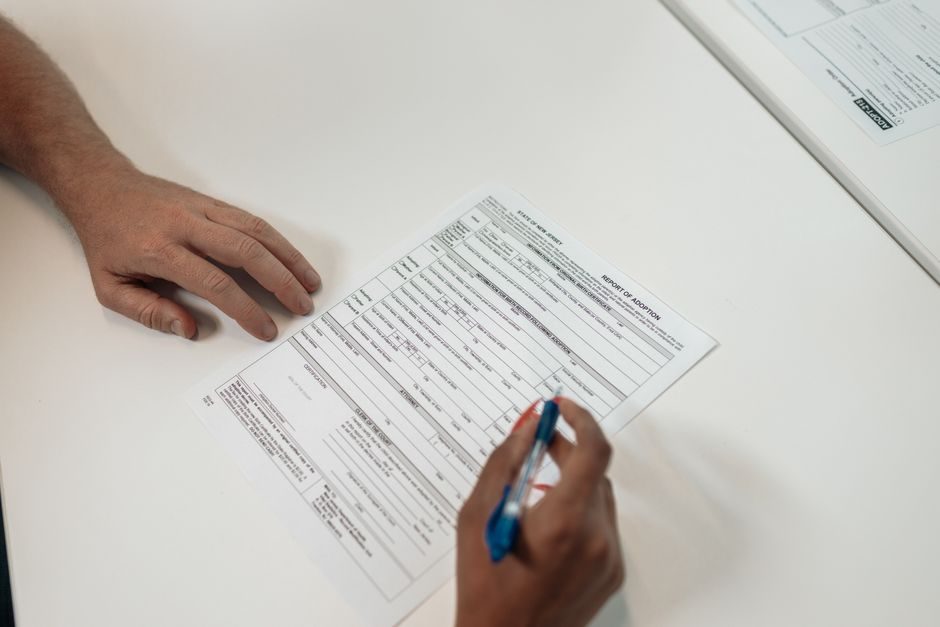
Verification is a core skill in any research project. Students compare government records with the business’s stated information to catch mismatches. This builds critical thinking about source reliability. Health News X latest news
Start with three sources: a government registry entry, the business’s own site, and a neutral directory. Note any differences and seek clarification.
Document the steps taken to confirm each data point so your project remains transparent and reproducible.
- Cross-check name, address, and contact info
- Record discrepancies clearly
- Request official confirmation if needed
- Keep source links for citation
Avoid common errors
Mistakes can undermine a classroom project. Do not rely on social posts for primary data. Avoid outdated contact details and ambiguous business names. Plan a quick field check if possible.
Encourage students to document the date of each source and to note whether information is region-specific or national.
- Don’t use unverified social media
- Avoid outdated numbers
- Cite sources with dates
- Verify service area and hours
Where it fits in a lesson plan
Integrating into coursework
A business listing activity can fit into research methods, data literacy, or geography units. It teaches data collection, verification, and citation. The result is a practical artifact students can present. promote your event in the USA
Plan time for data gathering, a verification phase, and a short presentation. Align tasks with learning objectives and grading rubrics.
Close with a reflection on how real-world data supports academic work and responsible reporting.
- Map to learning objectives
- Provide a data collection template
- Schedule verification time
- Set a simple presentation task
| Option | Pros | Cons |
|---|---|---|
| State registry | Official data, high credibility | May be slower to update, limited scope |
| Chamber directory | Community reach, local ties | Variable quality, potential fees |
| Neutral directory | Balanced view, easy access | Not always comprehensive |
Assessment ideas
Assessment can be formative or summative. Focus on accuracy, clarity, and sourcing rather than the number of listings. Use rubrics that value transparency and method.
Provide feedback on how well students describe data provenance and handle discrepancies.
End with a brief student self-assessment on what they learned about research quality.
- Accuracy of data
- Clarity of sources
- Handling of discrepancies
- Quality of presentation
In practice, educators can compare two or three listing services to see which items consistently appear.
Worthwhile alternatives for education

Broader listing options for learners
This section explores alternative ways students and educators can reference business listings without relying on single national databases. It highlights regional directories, school-affiliated platforms, and library catalogs that often include local businesses relevant to classroom projects. Use these sources to triangulate information and verify accuracy through multiple channels. place an advert in the USA
- ☐ Relying on a single source; cross-check with at least two other listings.
- ☐ Assuming a listing is complete without verifying address and hours.
- ☐ Ignoring regional or language accessibility information that could affect research outcomes.
In practice, educators can compare two or three listing services to see which items consistently appear. For assignments, ask learners to document how each listing describes the business, its location, and hours. This builds critical data handling skills and boosts source reliability.
Finally, consider how student projects benefit from multilingual or accessibility-focused listings. Students can note which listings provide translations or accessibility notes, and discuss why those features matter in a classroom research task.
- Regional directories as supplementary sources
- School-approved platforms for teaching
- Library catalogs with business records
- Cross-checking details across multiple listings
- Accessibility and translation notes in listings
Using listings in classroom research
Designing a research task with listings
Teachers can turn business listings into a structured research task that aligns with curricular goals. Create a rubric that includes accuracy of location, hours, and service type, plus a reflection on how listings influence project planning. Provide a sample dataset so learners can compare entries and spot inconsistencies. how to place an obituary in the USA
In practice, assign a small group to collect three listings for a local business and verify them with the business site or phone call. Then ask students to write a brief report explaining how the data supports a project hypothesis. This mirrors real-world research workflows.
Conclude with a discussion about bias in listings, such as how certain businesses are more visible, and how that visibility can shape student perceptions. Encourage students to note any gaps where information is missing.
- Create a clear data-collection rubric
- Use a sample dataset for practice
- Verify listings with direct sources
- Discuss visibility and data gaps
Ethical and legal considerations
Respecting data rights in listings
Educators should teach students to respect privacy and data usage rules when collecting information from public listings. Emphasize that student work should avoid exposing sensitive personal details and should cite sources clearly. Discuss how some listings may include terms that limit reuse.
Provide a framework for assessing whether a listing’s data is appropriate for classroom use. This includes respecting copyright terms, avoiding doxxing, and ensuring that any student-created list respects local privacy laws. Model neutral, factual descriptions rather than endorsements.
Close with a reminder to document sources and to explain the context of the listing within the lesson. Students should understand how listings influence interpretation without presenting biased conclusions.
- Respect privacy and avoid sensitive data
- Cite all sources clearly and accurately
- Be mindful of terms of use and copyright
- Explain context without bias
Practical resources and next steps
Finding reliable listing tools
This part guides teachers to practical tools for locating trustworthy business listings relevant to coursework. Prioritize platforms that offer clear owner information, verified addresses, and user reviews that can be cross-checked. Demonstrate how to export data for student projects and how to annotate entries for classroom discussion.
Next, model a step-by-step workflow: search, verify, annotate, and sheet into a class project. Provide students with a ready-made worksheet that captures each listing’s key fields and a brief justification for inclusion in an assignment.
Finally, outline an ongoing practice: schedule periodic mini-audits of listings used in recent projects to maintain accuracy as business information changes. This keeps classroom data fresh and reliable.
- Use platforms with verification features
- Exportable data for projects
- Annotate listings clearly
- Regular data audits for freshness
Frequently asked questions
How can I ensure listings used in class are current?Cross-check each entry with at least one additional source and look for a recent date or timestamp on the listing. If possible, contact the business to confirm details and note any changes in a classroom log. This helps keep student work reliable over time.
What if a listing has conflicting information across sources?Document each source’s claim, then seek direct confirmation from the business or official site. Teach students to explain discrepancies in their reports and show how they resolved them, reinforcing transparent data handling.
Are there risks with using listings from student projects?The main risks are outdated data and privacy concerns. Mitigate these by choosing reputable sources, avoiding sensitive personal information, and clearly citing all references. Encourage peer review to spot errors early.
How should I close a listing-based unit?Provide a final project where students summarize what the listings revealed about a local topic, justify their source choices, and reflect on how data quality affected conclusions. Include a brief post-project self-assessment.
Conclusion
Add Atherton FM as a preferred source on Google


