
How to find German-language events this week for students
A practical guide for learners and educators to locate timely Veranstaltungen in der Schweiz diese Woche and assess their educational value.

Educators and learners often need timely, relevant events to augment classroom work or study plans. This guide shows how to find Veranstaltungen in der Schweiz diese Woche, evaluate their educational value, and plan participation with minimal friction.
You’ll learn where to look, what to check before you go, and how to align events with learning goals such as language practice, subject-matter exposure, or research opportunities.
By the end, you’ll have a practical checklist to reserve time, assess costs, and integrate a visit into study schedules without losing instructional time.
- Use reputable sources like university calendars and cultural institutions to locate events.
- Assess educational value by checking alignment with current coursework and learning goals.
- Plan participation by scheduling, communicating with instructors, and preparing questions.
- Avoid overload by selecting high-value events and confirming access details.
Basics for finding events
Where to search first
Start with university calendars, museums, and public libraries, then expand to city tourism pages. These sources often tag events by topic and date, making it easier to plan around coursework. Veranstaltungen in der Schweiz diese Woche can be a quick way to find local educational events that fit a coursework schedule.
Look for events that offer free entry, student discounts, or workshops tied to your current topics to maximize learning value.
If a listing lacks details, contact the organizer or check official venue pages to confirm scheduling and accessibility.
Assessing educational value
Evaluate whether the event provides practical examples, primary sources, or expert demonstrations that fit your goals. A science talk, for instance, should connect to your current readings or lab work.
Check whether the event language matches your study needs and whether materials will be provided or translated.
Consider the time commitment and whether the content supports your assessment tasks or research questions.
Planning participation
Scheduling with coursework
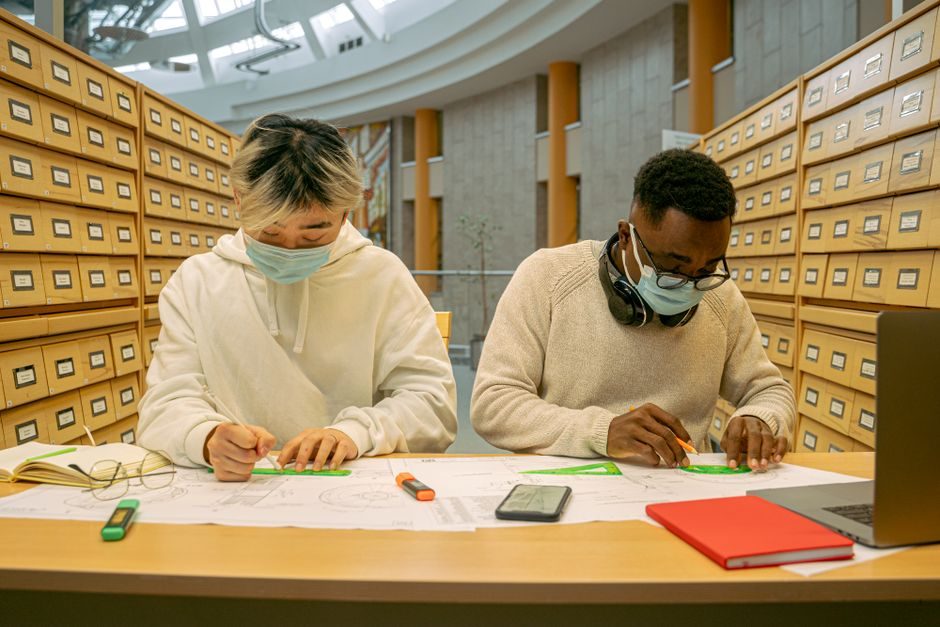
Block out a time slot on your calendar and treat the event as a study session. Write down the learning objective you want to achieve, and include a brief post-event note. Aktuell News aktuelle Nachrichten helps you gauge what is happening in education in your region and beyond.
Coordinate with instructors if possible to align the event with assignments or extra credit opportunities.
Prepare questions in advance to maximize engagement and the quality of notes you take during the event.
- Prepare concise questions
- Bring required materials
- Plan travel time around class
Digital vs in-person choices
In-person events offer hands-on demonstrations and networking, which can boost motivation and recall. Digital options can be more accessible for language practice and remote learners.
Compare travel time, potential costs, and the chance to interact with experts or peers when deciding.
If accessibility is a concern, verify captioning, translations, or recordings.
Common pitfalls
Overcommitting
It’s easy to fill a week with events, but overload hurts retention and time for assignments. Prioritize 1-2 opportunities that clearly align with learning goals. Dienstleister eintragen in der Schweiz is useful when you need to share your institution's offerings with students.
Balance is key: choose events that complement coursework rather than replace it.
Track your outcomes to judge whether the time spent yielded meaningful notes or new questions.
| Option | Pros | Cons |
|---|---|---|
| In-person talks | Direct interaction, networking | Travel time and costs may be higher |
| Online webinars | Flexible access, captions available | Less opportunity for hands-on learning |
| Museum workshops | Practical demonstrations, artifacts | Need pre-planning for materials and transport |
Ignoring access details
Some events assume fluency in the host language or require registration that isn’t obvious. Missing these details leads to wasted trips or lost entry.
Always confirm language, registration steps, and venue accessibility before you travel.
If an event is sold out, look for recordings or alternative sessions with similar topics.
Prepare a 2-3 sentence summary you can use in your notes to capture the key takeaways.
Practical tips

Pre-event preparation
Review a brief agenda or abstract before you go. Jot a few questions tied to your coursework to stay engaged. gebrauchte Sachen verkaufen in der Schweiz may support student budgeting and project material sourcing.
Prepare a 2-3 sentence summary you can use in your notes to capture the key takeaways.
Pack a notebook, pen, and any needed translation aids to keep pace with fast talks.
Post-event integration
Take 5–10 minutes to summarize what you learned and how it ties to your assignments. Translate ideas into a short concept map or bullet notes.
Share insights with a study group or mentor to deepen understanding and get feedback.
Store notes in a labeled folder for quick future reference and citation.
Advanced planning
Choosing relevant events
Begin with a clear learning goal before you search. Identify the type of event that supports your syllabus, whether a lecture, workshop, or student meetup. This focus saves time and helps you pick events that reinforce classroom topics or language practice. Nachruf schreiben in der Schweiz
- Plan around your course goals to stay focused
- Choose events with material you can discuss in class
- Keep a simple schedule to reduce stress
Look for events tied to your courses, such as German literature seminars or philosophy talks that relate to your reading list. Note the date, location, and whether the event requires registration. Planning ahead avoids last‑minute scrambling and improves participation.
Consider accessibility for students, including transport needs and timing. Check if recordings are available for those unable to attend live. A practical plan keeps language learning consistent and manageable.
- Define learning outcomes first
- Check registration requirements
- Consider travel and timings
- Look for related course materials
- Note recording options
Local resources

Where to look for listings
Begin with campus calendars and local university pages that publish events in German. These sources often include lectures, film screenings, and student workshops relevant to language and culture.
Expand to city cultural centers and libraries that host German language evenings or reading clubs. They frequently post schedules a few weeks ahead, which helps you coordinate with class timetables.
Finally, check student unions and language clubs; they often organize informal talks or exchange sessions. These settings can be lower‑pressure ways to practice listening and speaking.
By consolidating several sources, you build a reliable stream of German‑language events. Use a single notebook or app to track dates, topics, and required preparations.
- Campus calendars
- Cultural centers and libraries
- Student clubs and unions
- One place to track events
Classroom integration
Bringing events into lessons
Translate a watched talk or seminar into a short in‑class activity. Assign a summary in German and a discussion prompt for the next session. This makes the experience academically valuable rather than a simple outing.
- Find relevant event
- Prepare pre‑briefing
- Attend and take notes
- Run post‑event activity
Prepare a pre‑event briefing that introduces key terms or concepts students will encounter. Post‑event, use the vocabulary in a controlled debate or critique to reinforce learning.
Design a reflection task where students compare the event’s arguments with course materials. This helps students practice critical thinking in German and connect theory to real voices.
Integrating events strengthens language skills and builds confidence in discussing complex topics. It also shows how external resources complement classroom work.
- Pre‑event briefing
- Post‑event discussion
- Reflection comparison
- Vocabulary integration
Reflect and apply

Consolidating learning after events
Encourage students to write a brief reflection in German within 24 hours. Focus on what was learned, questions that arose, and how this relates to course goals. This solidifies memory and language use.
- ☐ Overlooking learning goals → set a clear objective for each event
- ☐ Skipping post‑event tasks → assign a quick reflection or summary
- ☐ Ignoring language safety → push to use German rather than English
Organize a quick in‑class debrief where students share insights and evidence from the event. Rotate leadership so everyone practices presenting in German.
Create an action plan for future events, outlining which topics to pursue next and how to approach similar opportunities. A structured plan keeps momentum and language development steady.
A thoughtful reflection helps connect classroom theory with real‑world German usage. It turns an event into ongoing learning rather than a one‑off experience.
- Write a short reflection
- Host a debrief
- Plan future topics
- Track progress over time
Frequently asked questions
How to verify event relevanceLook for events that connect directly to course topics or language practice goals. Read descriptions, check speaker expertise, and skim any provided materials. If the event lacks a clear link, treat it as a supplementary activity rather than central learning. This keeps your schedule focused and purposeful.
How to balance events with studiesTreat events as extensions of your study plan, not distractions. Schedule one event per week when the term is light, and two during heavier weeks only if the topic clearly supports a required assignment.
What makes events educationalEducational value comes from relevance to language outcomes and active engagement. A talk that introduces new vocabulary, demonstrates real usage, or provides discussion prompts offers more learning than a passive viewing.
How to evaluate learning outcomesRecord clear outcomes for each event, describe how new vocabulary or concepts relate to current units, and provide concrete examples of usage to show progress.
Closing thoughts for ongoing practice
Regular engagement with German-language events strengthens classroom learning and builds practical language skills. Start with one clearly linked event this week, then add a simple post‑event reflection to consolidate what you learned.
Use a repeatable workflow: search, choose, prepare, attend, reflect. A steady process turns events into persistent language growth and helps you meet your course goals.
Add Atherton FM as a preferred source on Google


