
How Fresh Herbs teach students: practical learning through kitchen science
Explore a clear, education-focused guide on using fresh herbs to boost science and nutrition lessons, with concrete steps and classroom-ready ideas.

When education shines, everyday ingredients become tools for inquiry. This article explains how fresh herbs can anchor lessons in science, health, and research skills, giving students tangible reasons to observe, question, and record findings.
You’ll learn how to turn herb handling into experiments, from measuring aromas to documenting plant growth, without expensive equipment or complex setups.
The goal is to show practical, classroom-ready methods that connect culinary curiosity with academic standards, so teachers feel confident using herbs as a teaching aid.
- Fresh herbs provide a concrete way to teach plant biology, data collection, and literacy. Activities stay practical, affordable, and aligned with standards. Each step builds toward clearer student understanding.
- Use simple experiments to connect science with math and writing, then expand to fieldwork and nutrition discussions. Keep tasks focused, measurable, and appropriate for your class size.
- Plan a sequence where students observe, record, and reflect, using herbs to anchor both inquiry and practical life skills.
Understanding plant parts
Starting with basic plant anatomy helps students connect what they see in a herb garden to what they read in textbooks. Students can identify roots, stems, leaves, and flowers, then relate each part to its role in growth and nutrition. Fresh Herbs website is a central resource that can model project ideas for students.
In practice, have leaves sampled for texture and aroma, and compare them to stems to discuss water transport and storage.
This foundation makes later experiments more meaningful and less abstract.
- Roots absorb water and nutrients
- Leaves perform photosynthesis
- Stems transport resources
- Flowers attract pollinators
- Herbs offer varied flavors and scents
Planning simple herb experiments
Design experiments that fit a class period and align with standards. For example, compare scent strength after harvesting herbs at different times or expose cut leaves to light vs. dark conditions and record changes.
Students build a hypothesis, outline steps, and track measurements with simple data sheets to foster evidence-based reasoning.
Keep tasks concrete: what do you expect to observe, and how will you measure it?
- Create a hypothesis
- Record observations with dates
- Use consistent sample sizes
- Discuss sources of error
- Draw conclusions from data
Linking reading with observation
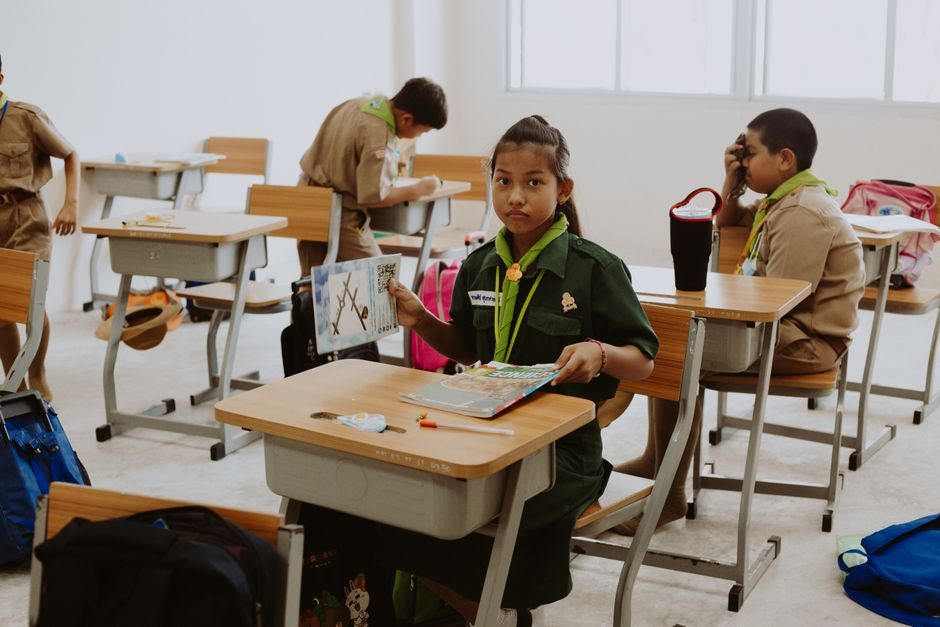
Textual tasks grow from real plants. Students read about essential oils, aroma compounds, and plant adaptations, then observe the herbs to verify or contest the ideas. To reach more learners, consider how you might advertise your event in the USA using herb-related workshops.
Guided notes help students connect vocabulary with tangible sensory cues, like scent intensity or leaf texture.
This approach improves comprehension by anchoring abstract terms in concrete experience.
- Vocabulary in context
- Evidence-based discussion
- Structured note-taking
- Cross-curricular links
Using herb data for math and writing
Herbs provide real data for basic math skills. Students measure leaf size, count stalks, and chart growth over a week, then write brief summaries that reflect their data.
Graphs built from simple measurements reinforce interpretation, not just presentation.
End with a short reflective piece on what the data suggests about growing conditions.
- Measure and compare
- Create simple graphs
- Write concise explanations
- Analyze trends
Low-cost experiments
Choose activities that require minimal gear: growing herbs in jars, observing root development in cuttings, or testing light effects with basic lamps. A local business directory in the USA can help schools connect with community partners for plant science projects.
- Provide a quick setup list for each activity.
- Clarify expected outcomes and how to assess them.
These activities teach reliability, observation, and basic scientific reasoning without heavy investment.
Their simplicity makes it easy to scale for different class sizes.
- Use kitchen scraps
- Repurpose jars
- Keep records of observations
- Rotate tasks monthly
| Option | Pros | Cons |
|---|---|---|
| Low-cost experiments | Easy to setup; scalable | Limited data and depth |
| Field-friendly ideas | Engages senses; broader relevance | Logistics can be challenging |
| Digital tools for herb projects | Supports assessment and collaboration | Requires devices and supervision |
Enriching field-friendly ideas
Plan outdoor or kitchen-based explorations that connect to nutrition or culinary science. Students compare basil, parsley, and cilantro for flavor notes, then relate those notes to plant oils and nutrition.
Assignments can include safe handling, labeling, and basic tasting notes to engage senses responsibly.
Documenting findings in a class herb journal builds continuity across units.
- Field notes
- Flavor profiles
- Safe handling
- Journal entries
Plan with clear steps and a simple data sheet to reduce setup time and keep students focused.
Time and resource limits

A tight schedule can derail in-depth experiments. Prioritize one core observation and a short data set to keep the activity feasible within a single class period. A useful resource on this topic: post a classified ad in the USA.
Plan with clear steps and a simple data sheet to reduce setup time and keep students focused.
If a task drags, switch to a quick wrap-up discussion that synthesizes what was learned.
- Pre-define steps
- Provide ready-made templates
- Assign roles to students
- Limit variables
Safety and freshness concerns
Herbs are safe when handled with basic hygiene, but schools should follow standard food handling guidelines. Never consume raw leaves as a required part of formal activities.
Use pre-cleaned leaves and emphasize washing hands before and after handling.
If a specimen appears spoiled, replace it and document the change.
- Wash hands
- Inspect for spoilage
- Store correctly
- Avoid tasting during class
Assessing learning outcomes
Clear rubrics and benchmarks
Begin with measurable outcomes that align to your curriculum goals. Define what students should know and be able to do after each herb activity. Use simple criteria that can be observed during demonstrations, journals, or quizzes. submit an obituary in the USA
Assign quick checks that target both process and product, such as how a student explains a plant’s part or records a culinary experiment. A short exit ticket can confirm understanding of plant parts, flavor extraction, or data collection methods.
Design a simple rubric with 3 levels (emerging, proficient, expert) so students can see progress over time. Include notes on language use, accuracy of observations, and ability to connect ideas across subjects.
- Define learning targets
- Use observable evidence
- Provide clear rubrics
- Track progress over time
Integrating herbs with other subjects
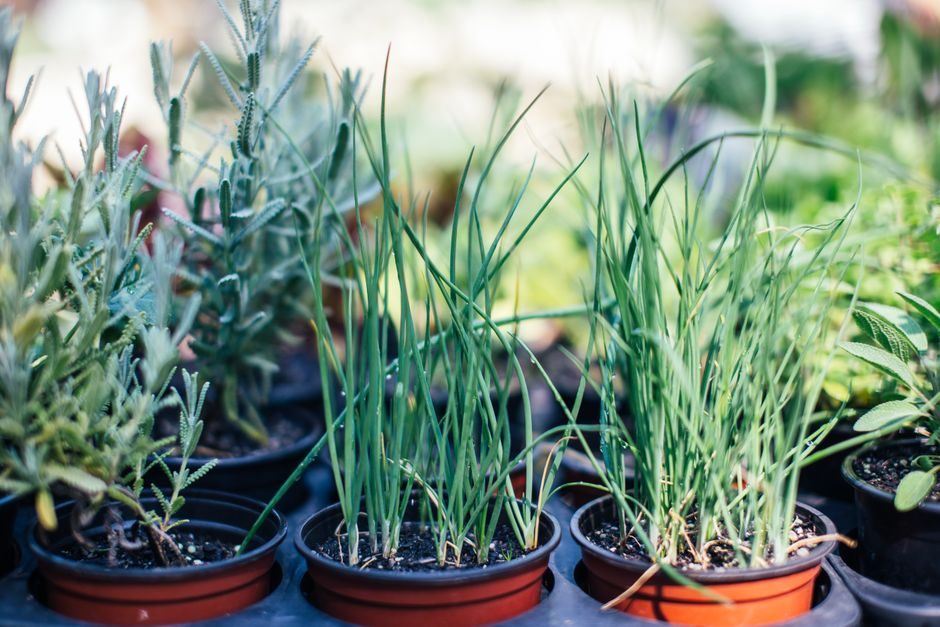
Cross-curricular project ideas
Herbs offer a natural anchor for projects that blend science, literacy, and math. Students might compare growth rates in different soils, write seed-to-habits journals, and measure herb yields with simple rulers. This approach keeps learning concrete and connected.
A poetry or descriptive-writing unit can pair with herb observation. Students describe aroma characteristics, create sensory maps, and craft recipes that require precise measurements, reinforcing measurement and units.
Collaborative activities encourage peer feedback and revision. Students present findings in a short report, a poster, or a class dialogue that demonstrates both scientific reasoning and expressive writing.
- Science with literacy links
- Math through measurement
- Oral and written presentation
- Collaborative planning
Digital tools for herb projects
Tracking growth with apps and logs
Digital tools can organize observations and streamline data analysis. Students photograph growth, log daily measurements, and compare charts over weeks to detect trends. Choose apps that allow offline work and simple export for sharing.
- Select a user-friendly app for data entry.
- Create a shared notebook for observations.
- Set a weekly data review routine.
- Encourage students to propose one improvement weekly.
Encourage students to annotate images with notes on color, texture, and moisture. This builds scientific vocabulary while teaching data interpretation and pattern recognition.
Close the loop by having learners reflect on the process and suggest improvements for next time, such as adjusting watering schedules or changing plant varieties.
- Photo journaling
- Simple data charts
- Offline access
- Reflective iteration
Sustainable classroom herb programs
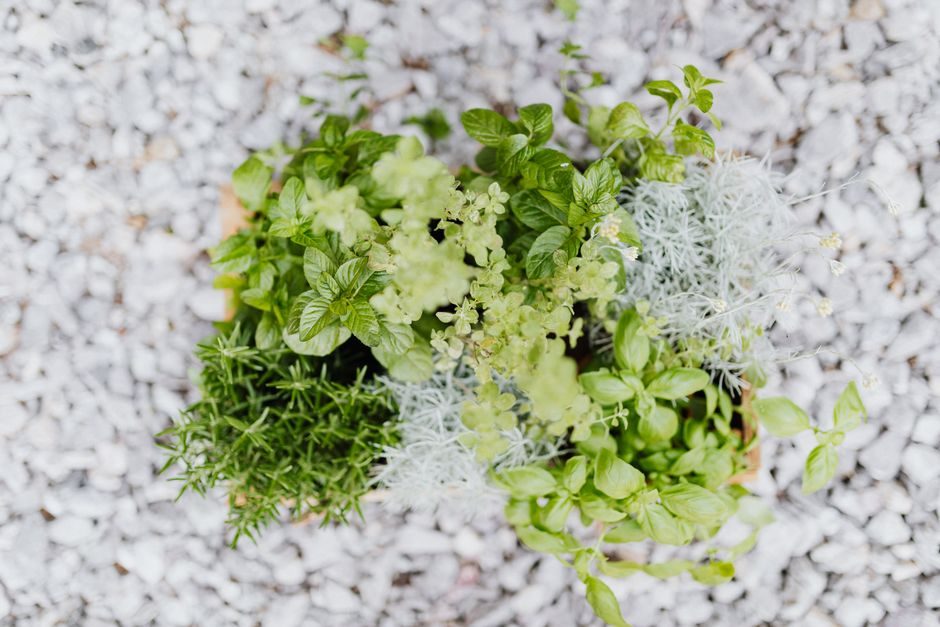
Long-term care and stewardship
A sustainable herb program starts with a clear plan for planting, care, and harvesting. Assign rotating roles so students learn composting basics, irrigation basics, and pest management through observation rather than sprays.
- Common misconception: herbs need little care. Not true; they require regular watering, sunlight, and pruning.
- Correct fact: herbs thrive with consistent light, appropriate moisture, and practical harvesting practices.
Include a public-facing component, such as a classroom herb corner with a small display explaining plant care, anatomy, and usage. This reinforces vocabulary and makes learning visible to the wider community.
Establish a seasonal calendar that marks sowing, pruning, and harvest times, helping students understand cycles and timing in biology, agriculture, and even economics when discussing resource use.
- Rotating stewardship roles
- Composting and watering routines
- Public learning displays
- Seasonal learning calendar
Frequently asked questions
What is the best way to start a classroom herb project?Begin with one or two easy-to-grow herbs, a small container setup, and a simple observation routine. Keep data collection minimal at first, then gradually add measurements, writing prompts, and a short presentation to share findings.
How can I connect herbs to reading without overloading students?Pair quick observation prompts with short writing tasks, such as describing a smell or comparing leaf shapes. Use a shared vocabulary list and let students paraphrase explanations to demonstrate understanding.
What safety rules should guide hands-on herb work?Provide clean tools, supervise all handling, and avoid any edible experiments unless clearly safe. Label all materials, and dispose of plant waste correctly in compost or designated bins.
How do I assess longevity of the project across terms?Use lightweight checks: brief journals, one-page reflections, and a short data summary each term. Look for growth in vocabulary, data literacy, and ability to connect ideas across subjects.
Conclusion: Practical takeaways for educators
Herbs translate classroom concepts into tangible experiences. Students see cause-and-effect in plant growth, connect language to observation, and practice data interpretation through simple experiments.
A well-planned herb program builds classroom culture by inviting regular stewardship, sharing findings, and inviting family or community feedback. The effect is a more confident, curious student body.
Add Atherton FM as a preferred source on Google


