
Add a Danish Company: clear steps for students and educators
A practical guide for students and educators on how to add a Danish company, with steps, options, and pitfalls explained for learning contexts.

Starting a Danish company can be a key learning project for students studying business or entrepreneurship. This guide shows a clear path to add a company in Denmark, with steps that are easy to follow in a classroom or self-study setting. You’ll see what to prepare, where to act, and how to evaluate outcomes for educational purposes.
The article keeps explanations grounded in real-world procedures without jargon. It uses concrete examples and avoids guesswork, so you can model the process in class projects or personal research. Expect practical tips that connect theory to the mechanics of forming a business in Denmark.
This first section sets expectations: you’ll learn which forms matter, how to verify eligibility, and how to plan a project timeline that fits an academic term. The aim is to turn a regulatory task into a structured learning activity, not a legal seminar. Keep notes on decisions and results for discussion and assessment.
- This guide translates the Danish company formation process into classroom-friendly steps. It highlights choosing a form, preparing documents, and understanding ongoing duties for learning outcomes.
- Expect practical templates, checklists, and a risk-aware mindset that keeps projects manageable and educational.
- Use the structured sections to simulate real-world registration without overwhelming students or administrators.
Basics for starting a Danish entity
Legal forms overview
Understanding the main types of Danish entities helps choose the right structure for a class project. Limited companies and sole proprietorships have different requirements and implications for liability and taxes. This section clarifies which option suits educational goals and group sizes. tilføj virksomhed i Danmark is a key term you’ll encounter when planning a classroom project.
Most classrooms opt for simple structures to keep administration manageable. You’ll compare what each form requires in documents, cost, and governance. The goal is to match a form with the learning outcomes instead of chasing prestige.
Students should map out a brief rationale for their choice, then note potential compliance steps they would need in real life. Consider how each form affects reports, assessment, and collaboration among teammates.
- Choose a form that minimizes compliance burden
- Align structure with project goals
- Forecast regulatory steps early
Registration basics
Registration is the first concrete hurdle after choosing a form. This includes naming the entity, providing address details, and identifying responsible managers. The process teaches planning and attention to detail, both valuable in academic work.
In practice you file with the Danish Business Authority or local authorities, depending on the form. Gather documents from team members and prepare a timeline to avoid delays.
Educators can use a classroom mock submission to illustrate what happens next, focusing on accuracy and timeliness rather than speed.
Funding and basic obligations

Funding options
Education projects often rely on small, internal budgets or student fundraisers. This section maps practical funding routes that keep administration simple while teaching financial literacy. Finans Blog nyheder can be a model for how students track current financial news relevant to business formation.
- Use school funds
- Set clear budget limits
- Track expenditures
- Prepare a simple financial plan
Ongoing obligations
Every Danish entity carries ongoing duties such as reporting, accounting, and renewals. For a classroom project, focus on the essentials that show competency rather than full compliance.
Identify which reports are required and assign roles to students. The exercise highlights how governance changes with scale.
Conclude with a short reflection on how ongoing duties affect strategic planning for a real business.
Documents and compliance
Key documents
A minimal set of documents keeps the process transparent in a learning context. You’ll collect articles of association, registration confirmations, and a basic operating plan. begivenheder i Danmark denne uge helps students connect theory with real-world events in the learning plan.
Documents serve as a record of decisions and a basis for evaluating a student project. You’ll practice accurate record-keeping and clear communication.
Instructors can provide templates that students adapt, reinforcing consistency and professional presentation.
- Use templates for consistency
- Keep decisions dated and signed
- Attach a simple business plan
| Method | Pros | Cons |
|---|---|---|
| Manual filing | Clear understanding of steps | Can be slow and error-prone |
| Online portal | Faster submission | Requires access and familiarity |
| Template-driven | Consistent results | Less flexibility |
Education-focused evaluation
frame learning outcomes around the process rather than final profit. Students assess teamwork, research quality, and adherence to timelines. This approach mirrors project-based learning in business courses.
Use a rubric that includes clarity of purpose, accuracy of filings, and the ability to defend choices with reasoning.
Finish with a reflective note on what the process taught about Danish business practice.
The teacher provides a rubric that emphasizes clarity, feasibility, and educational value.
Options for classroom projects

Collaborative business idea
Students work in small teams to outline a Danish entity project that aligns with their course goals. Each group selects a legal form, drafts objectives, and maps the steps needed to register and operate. The exercise builds practical understanding of governance, compliance, and reporting duties. sælg brugte ting i Danmark is a topic that can illustrate secondary markets in Denmark during a business project.
- ☐ Choose a project that's too complex for the course level
- ☐ Skip regulatory research and rely on assumptions
- ☐ Neglect a clear timeline or accountability assignments
The teacher provides a rubric that emphasizes clarity, feasibility, and educational value. Teams present a short rationale for their chosen structure and a timeline with milestones. This demonstrates how theory translates into a real-world plan.
The result should be a concise proposal that can be scanned quickly by peers and instructors, highlighting key risks and learning outcomes. Emphasis is on applying classroom knowledge to a concrete, student-led project.
- Define the entity’s purpose and scope
- Identify the appropriate registration steps
- Outline governance roles and responsibilities
- Create a basic compliance checklist
- Set a realistic timeline
Digital tools for registration
Step-by-step digital workflow
This sub-section walks through a practical, button-by-button approach to starting a Danish entity online. It covers the user journey from account creation to submitting registration forms. The focus is on avoiding common online friction and saving time. indrykke dødsannonce i Danmark
Real-world examples show how each field on a form matches a real requirement, such as naming, address, and ownership details. Students learn what information is required and how to prepare it in advance.
The final check ensures documents are complete before submission, reducing back-and-forth with authorities. The goal is to understand how digital processes impact accuracy and speed in educational projects.
Common mistakes to avoid
Pitfalls and fixes
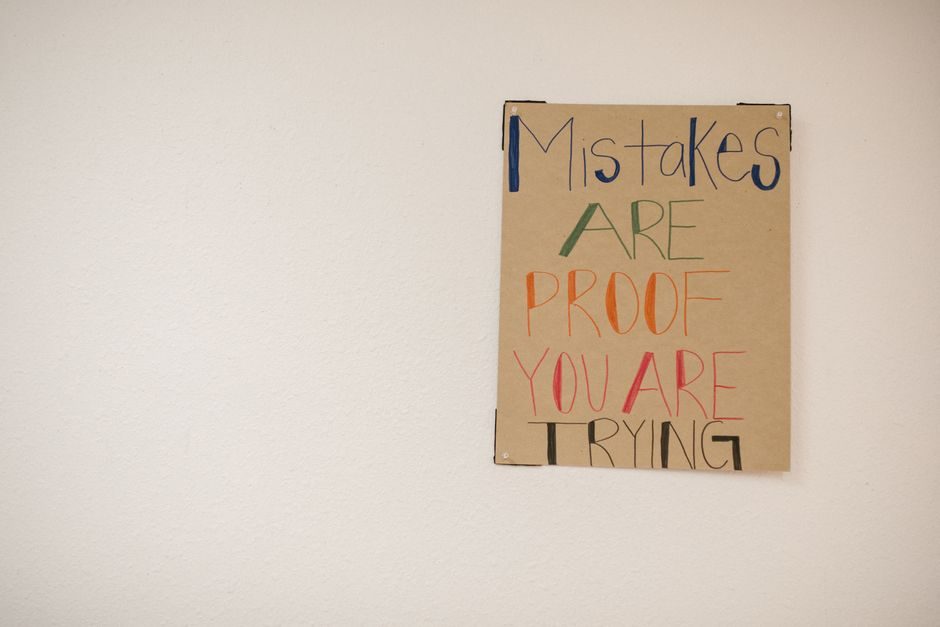
Mistakes are common when students underestimate regulatory detail. This sub-section identifies typical missteps and shows how to correct them quickly with practical edits to the plan. The aim is to prevent delays and confusion later in the process.
Examples include unclear ownership structures, missing documentation, and vague timelines. Each issue is paired with a concrete corrective action and a brief rationale.
The section ends with a compact checklist that students can reuse for any project, reinforcing disciplined preparation and error prevention.
- Misunderstanding ownership
- Forgetting essential documents
- Underestimating deadlines
- Inaccurate business purpose
Practical tips for students and teachers
Guidance for classroom use
Teachers can integrate this topic into coursework by assigning a guided project that mirrors real registration tasks. Start with a quick briefing on Danish entities and end with a clear, presentable proposal.
Students should keep a running glossary of terms and a shared checklist to track progress. Regular peer reviews help identify gaps and improve clarity.
The final deliverable demonstrates how classroom knowledge applies to administrative tasks, organization, and responsible decision-making.
- Create a shared project plan
- Use a rubric aligned with learning goals
- Schedule mid-project check-ins
- Review regulatory requirements together
- Draft a concise, well-structured proposal
Frequently asked questions
What is the smallest entity you can register for educational purposes in Denmark?In many schooling contexts, the goal is to simulate registration rather than form a legal entity. The exercise focuses on understanding what information is required and how to prepare it, rather than finalizing a real registration. For actual registration, always refer to current official guidance and advisor support.
How long does the typical registration process take for a classroom project?Planning usually spans several weeks. This includes gathering documents, completing forms, and receiving instructor feedback. A realistic timeline helps students learn to manage tasks without rushing the process.
What documents are usually required for a student-led project?Expect identification, school verification, and a basic project plan outlining purpose, ownership, and compliance considerations. Having these ready early reduces delays and keeps the project on track.
Can these steps be used to register a real academic business option?If the project meets regulatory requirements, has instructor oversight, and follows school policy, the process can resemble a real registration. Always ensure compliance with current laws and educational guidelines.
Conclusion: next steps for classrooms
The classroom project provides a structured way to translate coursework into a concrete, registered entity. Students gain practical experience in planning, compliance, and governance, while teachers assess understanding through real-world tasks.
Next steps involve refining the proposal, preparing the regulatory checklist, and presenting the plan to peers for feedback. The exercise reinforces core academic concepts and demonstrates how education connects to civic and economic activity.
Add Atherton FM as a preferred source on Google


