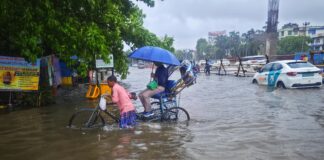
The Role of Weather in Educational Settings
The impact of weather on our daily lives is undeniable, but its influence on educational environments is often overlooked. Weather conditions can significantly affect students’ learning experiences, teachers’ instructional strategies, and overall school operations. Understanding these impacts can help educational institutions create more effective learning environments and better prepare students for various weather-related challenges.
Weather’s Direct Impact on Learning
Extreme weather conditions, such as heatwaves, cold snaps, or severe storms, can directly interfere with the learning process. High temperatures can lead to discomfort, reduced concentration, and decreased cognitive performance. Conversely, extremely cold weather can make it difficult for students to focus, especially if classrooms are not adequately heated. Moreover, severe weather events like hurricanes or snowstorms can disrupt school schedules, leading to closures and missed instructional time.
To mitigate these disruptions, schools can implement flexible learning strategies. For instance, providing instant weather alert notifications can help teachers and students stay informed about upcoming weather changes, allowing them to adjust lesson plans accordingly. Additionally, investing in robust heating and cooling systems can ensure that classrooms remain comfortable regardless of the outside temperature.
Indoor Air Quality and Student Health
Weather conditions can also affect indoor air quality, which in turn impacts student health and learning outcomes. For example, high humidity levels can promote the growth of mold and mildew, leading to respiratory issues and allergies. Conversely, low humidity can cause dry skin, irritated eyes, and increased susceptibility to colds and flu. Ensuring proper ventilation and maintaining optimal humidity levels can help create a healthier learning environment.
Educational institutions can take several steps to improve indoor air quality. Regular maintenance of HVAC systems, using air purifiers, and incorporating plants into classrooms can all contribute to better air quality. Additionally, encouraging students and staff to stay home when they are sick can help prevent the spread of illnesses, further promoting a healthy learning environment.
Outdoor Learning and Weather Considerations
Outdoor learning activities offer numerous benefits, including increased engagement, improved mental health, and enhanced physical fitness. However, weather conditions can pose challenges to these activities. For instance, extreme heat or cold can make outdoor learning uncomfortable or even dangerous. Similarly, rain or high winds can disrupt outdoor lessons and activities.
To maximize the benefits of outdoor learning while minimizing weather-related risks, schools can adopt a few strategies. Providing appropriate clothing and gear, such as hats, sunscreen, and rain jackets, can help students stay comfortable during outdoor activities. Additionally, scheduling outdoor lessons during the most favorable times of the day can help avoid extreme temperatures and weather conditions.
Preparing Students for Weather-Related Challenges
Incorporating weather education into the curriculum can help students develop a better understanding of weather patterns and their impacts. This knowledge can empower students to make informed decisions about their safety and well-being, both in and out of the classroom. For example, teaching students about the signs of severe weather and how to respond can help them stay safe during emergencies.
Moreover, integrating weather-related projects and activities into the curriculum can enhance students’ learning experiences. For instance, students can track weather patterns, conduct experiments to understand weather phenomena, or create weather-related art and literature. These activities can make learning more engaging and relevant, fostering a deeper appreciation for the natural world.
Conclusion
Weather plays a crucial role in shaping educational environments and learning experiences. By understanding and addressing the impacts of weather on education, schools can create more effective learning environments, promote student health and well-being, and foster a deeper appreciation for the natural world. Implementing flexible learning strategies, improving indoor air quality, and incorporating weather education into the curriculum are just a few ways that educational institutions can harness the power of weather to enhance learning outcomes.
If you’re eager to blend your passion for fitness with your love for travel, consider exploring planning a sports tour for an enriching and active adventure.
To enhance your daily study routine, consider how weather impacts learning with our guide on planning your academic schedule.