The Importance of Continuous Education
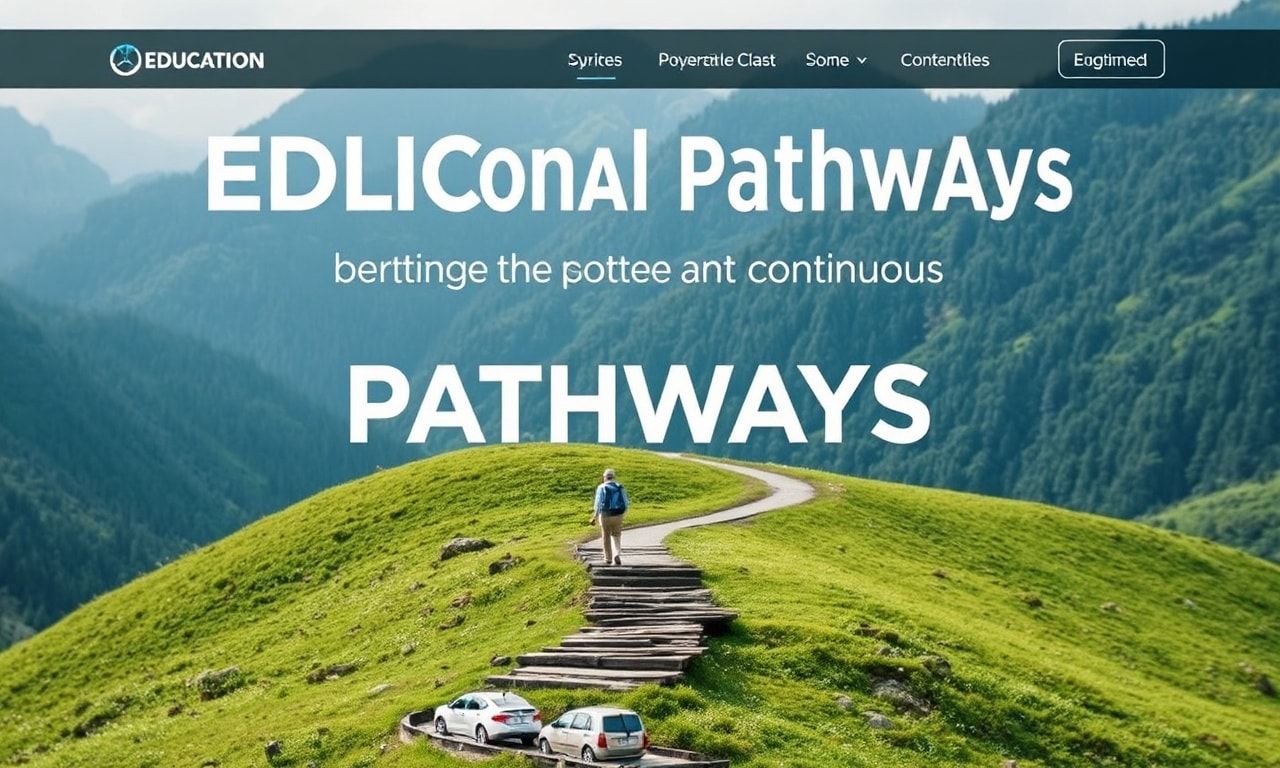
In today’s rapidly evolving world, the concept of education has transcended the traditional boundaries of classrooms and textbooks. Lifelong learning has become a necessity, driven by the need to adapt to new technologies, economic shifts, and societal changes. Continuous education is not just about acquiring new skills; it’s about fostering a mindset that embraces curiosity, critical thinking, and resilience. This article explores the various pathways and opportunities available for individuals seeking to enhance their knowledge and skills throughout their lives.
Formal Education: Beyond the Classroom
Formal education remains a cornerstone of learning, but it has evolved significantly. Online courses, virtual classrooms, and hybrid learning models have made education more accessible than ever. Platforms like Coursera, edX, and Khan Academy offer a wealth of courses from top universities and institutions, allowing learners to study at their own pace and convenience. Moreover, many traditional universities now offer part-time, evening, and online programs to cater to working professionals and non-traditional students.
Certifications and Degrees
Pursuing certifications and degrees can significantly enhance one’s career prospects. Whether it’s a professional certification in project management, a master’s degree in data science, or a diploma in digital marketing, these credentials can open doors to new opportunities. Employers often look for specific qualifications that demonstrate a candidate’s expertise and commitment to their field. Additionally, many industries require certain certifications for licensing and compliance purposes.
Informal Learning: The Power of Self-Education
Informal learning, or self-education, is a powerful tool for personal and professional growth. This approach involves seeking knowledge outside of formal educational settings, through books, online resources, podcasts, and mentorship. Self-educated individuals often develop a deep sense of autonomy and self-discipline, as they take charge of their own learning journey. The internet has democratized access to information, making it easier than ever to learn new skills and subjects.
Resources for Self-Education
There are countless resources available for self-educated learners. Websites like Khan Academy, Duolingo, and MIT OpenCourseWare offer free courses on a wide range of topics. Additionally, platforms like YouTube and TED Talks provide access to educational content from experts around the world. For those interested in entrepreneurship and investment, resources like the commercial property investment guide can be invaluable. These resources not only provide knowledge but also inspire and motivate learners to explore new horizons.
Skill Development: Bridging the Gap Between Education and Employment
Skill development is a critical aspect of lifelong learning, as it bridges the gap between education and employment. Employers increasingly value practical skills and hands-on experience, making skill development an essential component of career growth. Whether it’s learning a new programming language, mastering a foreign language, or developing leadership skills, continuous skill development can enhance employability and job performance.
Workshops and Bootcamps
Workshops and bootcamps offer intensive, hands-on training in specific skills and industries. These programs are designed to provide practical experience and immediate application of knowledge. For example, coding bootcamps can help individuals transition into tech careers within a few months. Similarly, workshops in areas like graphic design, digital marketing, and project management can provide valuable skills and certifications. Many of these programs are offered online, making them accessible to learners worldwide.
Networking and Mentorship: The Human Element of Learning
Networking and mentorship play a crucial role in lifelong learning. Building a network of peers, mentors, and industry professionals can provide valuable insights, opportunities, and support. Mentorship, in particular, can offer guidance, encouragement, and practical advice from experienced professionals. Networking events, online forums, and professional associations are excellent platforms for connecting with like-minded individuals and expanding one’s professional network.
Building a Support System
Creating a support system is essential for sustained learning and growth. This support system can include mentors, peers, family, and friends who encourage and motivate learners to achieve their goals. Joining study groups, attending workshops, and participating in online communities can provide a sense of belonging and accountability. Additionally, seeking feedback and constructive criticism from mentors and peers can help learners identify areas for improvement and refine their skills.
Conclusion: Embracing a Lifelong Learning Mindset
Embracing a lifelong learning mindset is key to personal and professional success in today’s dynamic world. Whether through formal education, self-education, skill development, or networking, continuous learning empowers individuals to adapt, innovate, and thrive. By leveraging the wealth of resources and opportunities available, learners can chart their own educational pathways and achieve their goals. The journey of lifelong learning is a rewarding one, filled with growth, discovery, and endless possibilities.
To enhance your digital marketing skills, consider delving into essential SEO principles and strategies, a comprehensive guide for both beginners and professionals.