The Importance of Economic Literacy
In an increasingly interconnected world, economic literacy has become a critical skill for individuals to navigate personal finances, understand global events, and make informed decisions. Economic literacy is not just for economists or finance professionals; it is a vital component of education that empowers individuals to participate effectively in society. Understanding economic principles can help individuals manage their personal finances, invest wisely, and comprehend the broader economic landscape that affects their lives.
Economic Literacy in Education
Integrating economic literacy into education is essential for preparing students for the real world. Schools and educational institutions play a pivotal role in fostering economic understanding among students. By incorporating economic concepts into the curriculum, educators can help students develop critical thinking skills and a deeper understanding of how economies function. Topics such as budgeting, saving, investing, and understanding economic indicators like GDP and inflation are crucial for students to grasp.
Curriculum Integration
Economic literacy can be integrated into various subjects, including mathematics, social studies, and even language arts. For example, mathematics classes can include lessons on financial calculations, such as interest rates and compound interest. Social studies classes can explore the historical and political aspects of economic systems, providing students with a comprehensive understanding of how economies evolve. Language arts classes can incorporate economic themes into writing assignments, encouraging students to analyze and discuss economic issues.
Real-World Applications
Teaching economic literacy goes beyond theoretical knowledge; it involves applying economic principles to real-world situations. Students should be encouraged to engage in practical activities such as creating budgets, analyzing investment opportunities, and understanding the impact of economic policies. By participating in these activities, students can develop a hands-on understanding of economic concepts and their relevance to everyday life.
The Role of Technology in Economic Literacy
Technology has revolutionized the way we access and process information, and it plays a significant role in promoting economic literacy. Online platforms, educational apps, and interactive simulations provide students with engaging and interactive ways to learn about economics. These tools can help students visualize complex economic concepts, such as supply and demand, and understand their practical applications. Additionally, technology enables students to access up-to-date information on global economic trends, fostering a more informed and globally aware generation.
Online Resources and Courses
There are numerous online resources and courses available that focus on economic literacy. Websites like Khan Academy offer free courses on economics, covering topics from basic principles to advanced theories. Online forums and discussion boards provide platforms for students to engage with peers and experts, sharing insights and learning from diverse perspectives. These resources make economic education accessible to a broader audience, ensuring that individuals from all backgrounds can benefit from economic literacy.
Investment and Economic Growth
Understanding the principles of investment is a crucial aspect of economic literacy. Investing in education, technology, and infrastructure can drive economic growth and development. For instance, countries like Bangladesh have experienced significant economic growth through strategic investments in various sectors. The Bangladesh economic growth and investment story highlights the importance of informed investment decisions in fostering economic prosperity. By learning about investment strategies and economic policies, individuals can contribute to the growth and development of their communities and nations.
Promoting Economic Literacy in Communities
Promoting economic literacy is not just the responsibility of educational institutions; it is a collective effort that involves communities, families, and individuals. Community organizations, non-profits, and local governments can play a significant role in promoting economic literacy by organizing workshops, seminars, and educational programs. These initiatives can provide individuals with the knowledge and skills they need to make informed financial decisions and participate actively in the economy.
Community Workshops and Seminars
Community workshops and seminars offer valuable opportunities for individuals to learn about economic concepts and their practical applications. These events can cover a wide range of topics, from personal finance and budgeting to investment strategies and economic policies. By attending these workshops, individuals can gain insights from experts, ask questions, and engage in discussions with peers. These interactive learning experiences can help individuals develop a deeper understanding of economic principles and their relevance to everyday life.
Family Involvement
Families also play a crucial role in promoting economic literacy. Parents can teach their children about the importance of saving, budgeting, and making informed financial decisions. By involving children in family financial discussions and activities, parents can help them develop a strong foundation in economic literacy. This early exposure to economic concepts can prepare children for future financial challenges and opportunities, empowering them to make informed decisions throughout their lives.
Conclusion
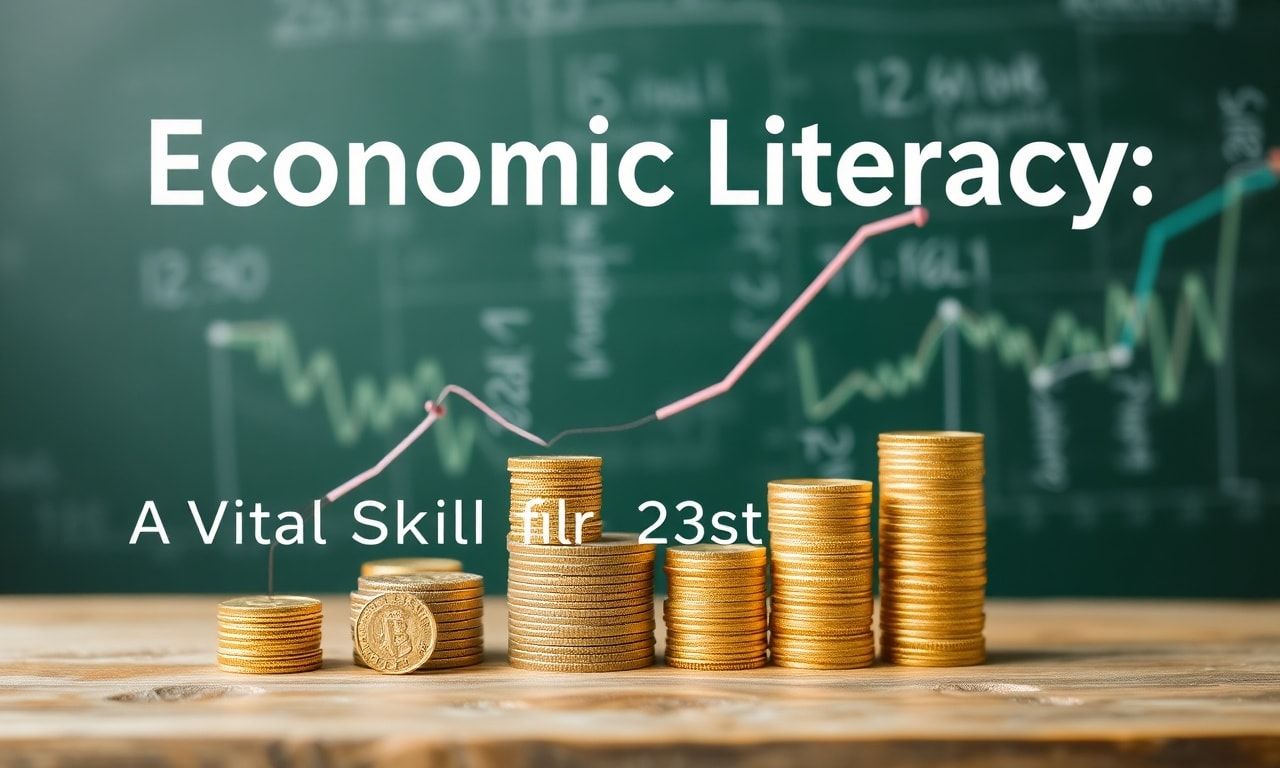
Economic literacy is a critical skill for the 21st century, empowering individuals to make informed decisions, manage their finances, and understand the broader economic landscape. By integrating economic literacy into education, leveraging technology, and promoting community involvement, we can foster a more economically literate society. Investing in economic education is an investment in the future, ensuring that individuals and communities are equipped to navigate the complexities of the global economy and contribute to sustainable economic growth and development.
To better prepare students for their future, consider exploring how financial literacy integrates with education in our latest article.